
Relationship Anxiety in the Fall: Why Routine Changes Can Stir Up Insecurity

by Melanie Gibbons, LPC October always feels like somebody secretly added 15 extra activities to the calendar and forgot to ask if I consented. There are school things. Family things. Work things. Kid things. Household things. Fall activities. Random forms. Practices. Appointments. The “quick” errands that are never quick. And if you are in a blended family, like I am, there is also co-parenting communication and coordinating with “the other parent,” which adds another layer of logistics. Needless to say, there is a lot to organize. And then, just to keep things spicy, it starts getting dark around 6 p.m. Great. So now there are more responsibilities, less daylight, colder evenings, and somehow, we are all supposed to be cozy? With what time? Between which activity? Before or after dinner, homework, pickup, drop-off, laundry, and remembering who needs to be where? This is where relationship anxiety can start sneaking in. Because fall does not just change the schedule. It can change the rhythm of your relationship. And when that rhythm changes, your emotional connection can start to feel less steady. My Own Fall Relationship Anxiety Moment I’ll be honest. My husband is amazing. Yay for me. And sometimes I forget that he is also juggling responsibilities, activities, work, parenting, and whatever else is living rent-free in his brain. Because when I am tired, stretched, and craving more connection, my brain can start asking questions. What about me? Why do I need more attention right now? Is something wrong? Are we disconnected? Why does distance feel so personal? And then I feel needy, which I hate. Then I feel frustrated that I need more than he may be able to give in that exact moment. Then I get annoyed with myself for needing reassurance at all. Adorable little spiral. But that is what relationship anxiety does. It takes distance and tries to turn it into evidence. Evidence that something is wrong. Evidence that your partner is pulling away. Evidence that you are asking for too much. Evidence that the relationship is not okay. But sometimes distance is not evidence of danger. Sometimes distance is simply evidence that everyone is tired. Distance Does Not Always Mean Something is Wrong This is the part we have to slow down and really understand. Distance does not always mean your relationship is in trouble. Sometimes distance means the calendar is full. Sometimes it means your partner is overwhelmed. Sometimes it means both of you are carrying invisible stress. Sometimes it means nobody has had a real moment to breathe, let alone be emotionally available in a deep, meaningful, eye-contact kind of way. And sometimes it means the relationship has slowly shifted from connection into management mode. That does not mean the relationship is failing. But it does mean the relationship needs attention. Fall stress can expose the weak spots in a relationship that were easier to ignore when it was 80 degrees and sunny every day. When the weather was warm, the days were longer, and the pace felt a little looser; you may not have noticed how little intentional connection was happening. But once routines tighten and responsibilities increase, the gaps become louder. Suddenly, the lack of quality time feels personal. The tired tone feels personal. The distracted energy feels personal. The fact that your partner did not notice you were emotionally spiraling while they were simply trying to find a clean hoodie feels personal. And that is where anxiety can start writing stories. A Couples’ Therapist Lens As a couples’ therapist, I see this all the time. And in couples’ therapy, this is often where we slow things down. Couples do not always lose connection because they stop loving each other. Sometimes they lose connection because life gets loud, schedules get packed, responsibilities multiply, and nobody realizes they have stopped reaching for each other until the distance starts to feel personal. And my husband and I are not magically exempt from this because I’m a therapist. Rude, honestly. It can become easy to stop feeling like partners and start feeling like two exhausted people trying to remember what is on the schedule for the day. You pass each other information instead of affection. You talk about logistics more than feelings. You ask, “Did you handle that?” more than “How are you doing?” You compare calendars more than you check in emotionally. And before you know it, the relationship has not disappeared, but the softness has gotten buried. That matters. Because most couples do not need grand romantic gestures every single day. But they do need moments of emotional contact. A little warmth. A little reassurance. A little “I see you.” A little reminder that underneath the schedules and responsibilities, you are still on the same team. That is part of emotional intimacy too. Not just the big conversations, but the small moments where you feel noticed, considered, and emotionally safe. Why Disconnection Can Feel Like Rejection Disconnection can feel like rejection when life gets busy. Especially if you already carry anxiety, attachment wounds, or a fear of being emotionally forgotten. When your partner is distracted, quiet, tired, or less available, your nervous system may not interpret that as, “They are overwhelmed.” It may interpret it as, “Something is wrong.” So, you ask, “What’s wrong?” They say, “Nothing.” You ask again. They say, “Nothing.” You ask one more time, but now with the tone. And now, congratulations, you have given them something to be annoyed about. Great job, nervous system. The need for reassurance was not wrong. The anxiety was trying to create closeness. It was trying to say, “I miss you. I feel disconnected. I need to know we are okay.” But the way it came out may have created more distance. That is the frustrating thing about relationship anxiety. It often pushes us to seek connection in ways that make connection harder. We ask questions that sound like accusations. We test instead of telling the truth. We wait for our partner to notice, then feel hurt when
The Second New Year: Why September Triggers Work Anxiety and Q4 Planning Stress

By: Melissa “Dr. Mel” Robinson-Brown | Founder & CEO | Senior Psychologist “So,” I said to my therapist, in almost the exact same tone I use every single year around this time, “the alarm bells are going off again.” She didn’t even ask which alarm bells. She already knew. Because if you’ve felt that specific late-August, early-September gut-drop — the one that hits right after the kids go back to school and your out-of-office stops bouncing back — you already know. Summer’s dead. The vacation pics are three scrolls down now. And somewhere in your brain, some smug little voice goes: oh hey, remember—It’s about to be Q4! Think about all that stuff you said you wanted this year for your life. . . Did you do it or has it been another “wasted” year? That’s workplace stress, life stress, frustration, and everything in between showing up before you’ve even opened your laptop. So damn annoying! 🙄 This is the second New Year, and unlike the one in January, nobody’s popping champagne for this one. This is the one where you pull up the goals doc from January — the promotion, the raise, the “I’m not going to work through lunch anymore” — and start doing math on how many weeks you have left. And the math is never kind. You know the exact moment. It’s 9:47pm, you swore you’d be asleep by ten, and instead you’re propped up in bed doom-scrolling your own goals doc, staring at bullet points you haven’t touched since February like they personally wronged you. Or it’s Sunday, you’re supposed to be watching your kid’s soccer game, and half your brain is already at Monday’s calendar doing silent math on how many weeks of Q4 are left before your review. Your body is treating a missed KPI like a bear in the woods. If you’ve ever typed how to manage work stress into a search bar at midnight, this one’s for you. Most of Our “Goals” Were Never Goals. They Were Vibes. “I want to get promoted this year.” “I want to be seen as a leader.” “I want actual work-life balance for once, God, please.” Say it out loud and it sounds great. “Manifest that sh&t” as the girlies say. Sounds like a vision board. But it’s not a plan. 😳 A goal with no plan is just a wish wearing a really cute blazer. And when September shows up and you’re still not a VP, your brain doesn’t go “huh, guess I never built a plan for that.” It goes straight to “I’m just not where I want to be and I can’t seem to figure it out.” We say the pretty, vague version out loud, do zero logistics, and then act personally betrayed when the universe doesn’t handle the details for us. Girl…..It was never going to. That gap between the goal and the plan is exactly where goal-setting anxiety lives. So, before you spiral into full performance pressure meltdown about everything you haven’t hit — did you ever actually build a plan? Or did you just say the shiny version out loud one time in January and call it a strategy? Stop Obsessing Over Outcomes. Start Counting Inputs. This is the one I actually use, and it’s what I say A LOT to the high-achieving women with whom I work. We are obsessed with outcomes — did I get the promotion, did I hit the number, did anyone notice how hard I’m grinding — but outcomes are only half yours to control. Inputs are entirely yours. Inputs are the real scoreboard. So, skip “did I get promoted” and ask: How many times did I actually raise my hand for the stretch project? How many times did I ask my manager for real feedback instead of just guessing what she thinks of me? How many times did I say the good idea out loud in the meeting instead of typing it into a sticky note and letting someone else say it first? How many times did I advocate for myself when staying quiet would have been so much easier? Raise your hand ten times and get picked zero, and that’s still ten times more proof of growth than sitting pretty and waiting to be chosen. If you want the promotion and haven’t asked one single question about what it actually requires or created a concrete plan with your boss, of course it hasn’t happened. You have to be an active participant in these goals. Not just hope it happens. Your Nervous System Thinks Q4 Is a Bear Work anxiety doesn’t just live in your head — it’s in your shoulders, your jaw, your stomach at 11pm doing math about how many weeks are left in the quarter. That tightness, that itch to fix everything right now — that’s fight-or-flight, activated, because your body believes missing an arbitrary year-end number is a threat to your survival. It’s not. Missing 20% more revenue this year will not kill you. Not making VP this exact calendar cycle will not kill you. Unless we’re talking rent-and-groceries-on-the-line territory, your nervous system has confused “disappointing” with “dangerous,” and somebody’s got to be the adult in the room and tell it that. So, when the Q4 planning stress creeps in, say it out loud if you must: I am safe. This is disappointing, not dangerous. My body does not need to sound the alarm right now. Let your body stand down enough to actually think, instead of white knuckling your way through over functioning at work until you combust. When Over Functioning Becomes the Backup Plan I see this constantly in my practice, and I’ve done it myself, plenty: you clock that you’re behind, panic kicks in, and instead of slowing down to build an actual plan, you floor it. You say yes to the extra project nobody asked you to take. You skip lunch again. You’re answering emails at 10pm because at least it feels like progress.
The Inner Child at Back-to-School Night

By: Melissa “Dr. Mel” Robinson-Brown, Ph.D. Founder & Senior Psychologist, Renewed Focus Every August, without fail, I pull up the school supply list and go into full-on operation mode. Not the casual, “grab a few folders and call it a day” kind of shopping. I mean line by line. Every glue stick. Every specific brand of pencil. Every last item, accounted for, checked off, done. Knock-off options? Nah…those didn’t exist. Back-to-school night hits the same nerve. I don’t just show up. I show up. I make sure the teacher sees my face, and – I’ll admit it – there’s a part of me that introduces myself as Dr. Mel in that room, not just “Mom.” Some part of me wants the room to clock, early, that this child has someone in her corner who is knowledgeable, watching, and involved. When I trace that instinct back, it lands on my own mother. She was the mom who volunteered to supervise lunch duty once a week. She was the one who showed up when a little boy in my class wouldn’t leave me alone. The little stinker punched me in the stomach once and then had the nerve to do it again even after my mother warned him. But I was sure to tell her after the second time and he never touched me again. Every teacher in that building knew her face and knew she was watching. That memory is genuinely comforting to me. It wasn’t dysfunction. It was love, presence, and protection – and it worked. I felt safer because she was in that building. I sat with this for a while trying to decide where my own back-to-school habits were coming from and whether or not they were connected to childhood experiences. Of course they were, but not in a way that suggests harm. But rather, repeating something that felt warm and loving and wanting to pass it on to my own children. But it also reminded me that inner-childhood experiences, whether they created wounds or protection, are likely to resurface in some way at this time of year. This Pattern Is Real – Just Not Where I Expected to Find It Writing this made me think a lot about so many of the women I work with. Many of the high-achieving women I see were “the smart one.” The kid whose intelligence got noticed early – and because of that, got sent across town. A better school. A more resourced school. A school that was majority white when they were the only Black girl in the room. A school that could “nurture the potential.” On paper, that’s a gift. And it often was. But it came with rules that their moms and grandmothers said often, loudly, and firmly: Don’t stand out – unless it’s for being excellent. Don’t give the school a reason to call home. Blend in enough that nobody asks too many questions about where you come from, what your house looks like, or what your family can and can’t afford. That’s not a supply-list wound. That’s childhood trauma with a backpack on – the very real weight of being a kid who had to represent well before they even understood what they were representing. And that backpack doesn’t stay in childhood. It shows up in the boardroom when you over-prepare for a meeting nobody else is losing sleep over. It shows up in relationships when you can’t just be average at something without spiraling. And it shows up right here, right now – in a Walmart aisle at 9pm, re-checking a list you’ve already checked twice –because some part of you is still making sure nobody has a reason to call home. That backpack usually turns into over-functioning because some part of you is trying so hard to comfort the little girl inside who felt sad, longing, or hurt by what she didn’t get, or what she had to endure. Moments like this can feel like your chance to finally rewrite that story for her. But without noticing it, that same instinct can end up doing more harm than good. Why September Can Quietly Reopen It Here’s the thing about trauma triggers and parenting triggers alike: they don’t need your exact childhood to repeat. They just need the same ingredients – an institution, an authority figure, evaluation, the feeling of being watched and measured. School start-up hands you all of it at once. New teacher. New building. New set of eyes deciding, in real time, whether your kid is “fine” or a “concern.” You know what this actually feels like in the body. It’s 11:47 pm and you’re refreshing the school portal for the third time, even though nothing new has been posted since 4pm. Your jaw is tight. You’ve been planning your child’s outfit and hairstyle for the last 4 weeks. You need them to show up with their best foot forward. You’re scanning for your child’s teacher’s name to assure it’s one of the “good ones.” Suddenly tension starts building because the performance of involved perfect mom might be trying to take up space in your life again and you KNOW it’s exhausting. And it’s not just an evaluation of your kid. Sometimes those wounds get transferred to your thoughts about your child. The questions start stacking up fast: Did I choose the right school? Do I need to sacrifice more to send them to the expensive private school, even if their public education is solid? Will teachers know that I’m involved? Do I need to make sure I’m at back-to-school night, so teachers see my face? Will my child understand that they’re being watched differently? How much do I remind her? Will that make my child anxious? For the woman who spent her own childhood managing that exact dynamic – be exceptional, don’t stand out for the wrong reasons, don’t let anyone find a reason to call home – it makes sense that the first week of school can quietly reopen something old. Not always as a memory. Sometimes just as an unexplainable tightness in your chest when the teacher’s email lands in your inbox. That tightness has a name: back-to-school anxiety wearing a very familiar disguise. It’s essentially school trauma showing up as emotional triggers in a body that never got the chance to fully put it down. A Note on Guilt (Because It Will Show Up) I want to be careful here, because I know not everyone reading this had the “smart one sent across town” story, and not everyone has the bandwidth to show up to every school event the way my mother did, or the way I try to. That guilt makes sense, by the way. If you grew up watching
Back-to-School Triggers: When August Brings Up Old Anxiety, Shame, or Fear
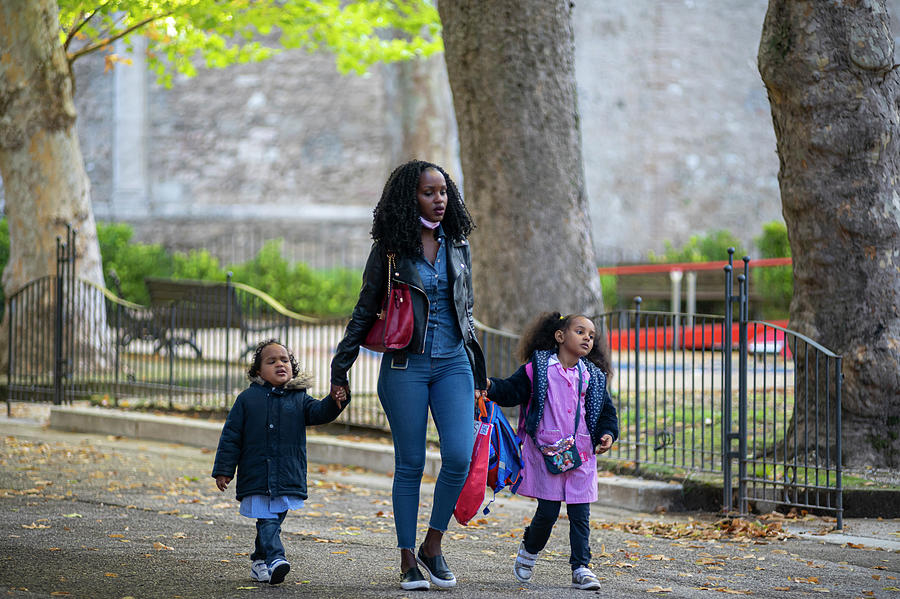
by Melanie Gibbons, LPC August has a very specific energy. The school supplies appear. The emails start rolling in. Target starts looking like a war zone with glue sticks. Parents are trying to remember who needs sneakers, who needs a physical, and why every teacher needs a different kind of folder. And for some parents, it is not just “back-to-school stress.” It is something deeper. As a therapist, I have learned that the thing people call “stress” is often carrying more history than they realize. Sometimes what looks like overreacting, controlling, shutting down, or spiraling is actually a trauma response showing up in a very normal-looking moment. Back-to-school season can be one of those moments. Maybe you hear the phrase “new school year” and your stomach tightens. Maybe the smell of pencil shavings, school hallways, or fresh notebooks brings up a feeling you cannot quite explain. Maybe seeing your child prepare for school stirs something in you that feels bigger than the actual moment. You are not being dramatic. You are not “making it a thing.” And no, this does not mean you are secretly mad at composition notebooks. Sometimes August activates old emotional material. Anxiety. Shame. Fear. Memories of not belonging. Memories of being bullied. Memories of academic pressure. Memories of being misunderstood, overlooked, embarrassed, or unsafe. That is what trauma triggers can do. They take something happening now and connect it to something your body remembers from before. Very rude, honestly. But also, very human. Trauma triggers are not always obvious When people hear the word “trigger,” they often imagine something huge and dramatic. A clear memory. A panic attack. A full emotional collapse in aisle seven. And yes, triggers can look like that. But many trauma triggers are quieter. Sneakier. More annoying. They can look like: Trauma does not always announce itself with a flashing sign that says, “Hello, this is connected to childhood.” Wouldn’t that be helpful? Instead, it often shows up through your body, your reactions, your assumptions, and your need to protect yourself. So, when August rolls around and you find yourself feeling unusually anxious, controlling, emotional, or disconnected, it may not just be about school calendars and supply lists. It may be your nervous system recognizing something familiar. Shame loves a familiar doorway For a lot of people, school was not just school. It was the place where they learned how to compare themselves. Where they learned who got praised, who got ignored, who got labeled “too much,” “too quiet,” “not trying hard enough,” or “dramatic.” It may have been the place where you learned to perform. Be good. Be smart. Be easy. Be likable. Don’t mess up. Don’t need too much. Don’t get in trouble. Don’t draw attention. Don’t be weird. Exhausting. Now here August comes and it can tap into old shame. Not because anything terrible is happening now, but because your system remembers what it felt like to be evaluated, watched, judged, or misunderstood. That can show up as anxiety, perfectionism, irritability, or that very fun spiral where you convince yourself that if one thing goes wrong, everything will fall apart. Shame is sneaky like that. It does not always say, “I feel ashamed.” Sometimes it says: “I should have handled that better.” “Why am I like this?” “Everyone else seems fine.” “I’m already failing.” “I need to get this under control.” And suddenly, you are not just responding to August. You are responding to every version of you that learned they had to earn safety by getting it right. A couples therapist lens, because relationships feel this too As a couple’s therapist, I also see how trauma triggers do not stay neatly inside one person. They show up in relationships. One partner may become anxious and controlling. The other may shut down or feel criticized. One parent may want to email the teacher immediately, while the other says, “Can we please not make this a whole thing?” And now the original issue is not even the issue anymore. Now the couple is arguing about tone, urgency, who cares more, who is doing more, and why nobody replaced the lunchbox that smelled suspicious in June. Underneath that conflict, there is often fear. Fear of failing your child. Fear of being judged. Fear of not being supported. Fear of history repeating itself. That is why a trauma-informed lens matters. It helps us stop asking, “Why are you acting like this?” and start asking, “What feels threatened right now?” That question changes the whole conversation. How to know if August is activating old stuff Here are a few signs that what you are feeling may be connected to trauma or old emotional wounds: Your reaction feels bigger than the current situation. You feel suddenly young, powerless, embarrassed, or unsafe. You are having a hard time calming down even after the problem is handled. You feel an intense need to control every detail. You feel shame or panic around being judged. You are overthinking interactions with teachers, parents, or other adults. You feel protective of your child in a way that feels urgent or consuming. You notice memories or body sensations from your own childhood coming up. None of these automatically mean something is “wrong” with you. They mean something in you may need attention. And probably gentleness. Because shaming yourself for having a trauma response is like yelling at a smoke alarm for making noise. The noise is annoying, yes. But it is trying to tell you something. What actually helps First, slow down. I know. Annoying advice. Very therapist of me. But seriously, trauma responses often move fast. Your body reacts before your brain has time to organize the information. So, before you send the email, start the argument, create the spreadsheet, or spiral into a full identity crisis over a school form, pause. Ask yourself: What am I feeling in my body? What does this remind me of? How old do I feel right now? Is this about what is happening, or what this situation is bringing up? What do I need in this moment to feel grounded? You do not have to answer perfectly. You are not taking a quiz. Nobody is grading your nervous system. The goal is to create a little space between the trigger and the reaction. That space is where choice begins. Try separating then from now One simple grounding tool is
When Depression Doesn’t Take a Summer Vacation
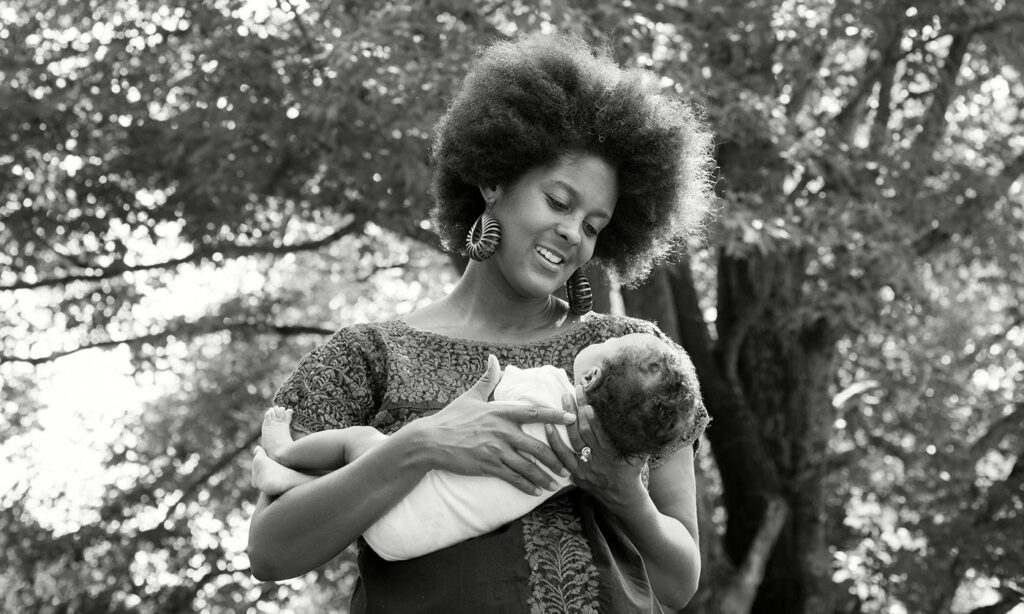
Motherhood, depression, and the weight of summer expectations by Autumn Colon Summer arrives carrying so much expectation. We imagine slower mornings, sticky popsicle fingers, neighborhood pool days, family vacations, and long evenings that stretch just a little longer than the rest of the year. It’s the season we’re told to soak up because it goes by so fast. We make bucket lists. We book camps. We scroll through vacation photos and save ideas for “the perfect summer.” Somewhere along the way, summer became another measure of whether we’re doing motherhood well. But what happens when everyone is talking about making memories, and you’re simply trying to make it through the day? Depression doesn’t take a summer vacation. Summer Isn’t a Break for Every Mother For many mothers, the warmest season of the year can become one of the heaviest. Not because they don’t love their children or appreciate the season they’re in, but because they’re carrying something invisible while trying to create joy for everyone else. As a therapist, I’ve learned that one of the hardest parts of depression isn’t always sadness. Sometimes it’s the pressure to convince the world you’re okay while quietly wondering why the sunshine isn’t reaching you the way it seems to reach everyone else. The structure that once helped the days move forward has disappeared. School is out. Childcare changes. Routines become less predictable. Meals multiply. Camps need to be researched and paid for. Vacations require planning, budgeting, packing, and emotional labor that often goes unseen. Then there is the invisible work. It’s the mental checklist that’s always running in the background. Who needs new sandals? Has everyone signed up for camp? Do we have enough groceries? Should we plan something fun this weekend? Is everyone making memories they’ll actually remember? Keeping everyone entertained, remembering the sunscreen. Does the list ever end? I’ve sat with mothers who tell me they feel guilty because they’re counting down the days until school starts while everyone else seems to be celebrating summer. Others tell me they feel like they’re failing because they don’t have the energy to plan elaborate adventures or create the kinds of childhood memories they imagined for their families. The truth is that depression has a way of making even ordinary tasks feel heavy. And summer tends to add more to an already full plate. When Joy Feels Just Out of Reach One of the greatest misconceptions about depression is that it always looks like sadness. Sometimes it looks like emotional numbness. You could be watching your children laugh while wishing you could access that same feeling inside yourself. It looks like knowing this should be a beautiful moment, yet you wonder why you feel disconnected from it. Many of my clients describe depression as feeling like they’re living behind a sheet of glass or in a bubble they haven’t been able to break free from. They’re present. They’re participating. They’re taking pictures, making snacks, driving to the beach, and cheering from the sidelines. But internally, everything feels muted, as though you’re watching your own life from a distance instead of fully living it. Clinicians call this anhedonia – a reduced ability to experience pleasure – and it’s one of the hallmark symptoms of depression. That disconnect often creates another layer of suffering because depression begins whispering stories that simply aren’t true. “Maybe I’m not a good mom.” “I should be happier.” “Everyone else seems to enjoy this more than I do.” Depression has a way of turning emotional pain into self-criticism. But struggling to feel joy is not the same thing as struggling to love your children. Those are two very different experiences. The Comparison Trap of Summer But comparison doesn’t just make us question what we’re doing. It makes us question who we are. Am I giving my children enough? Am I creating the childhood they’ll remember? Why does everyone else seem to be enjoying this more than I am? What we rarely see are the moments in between. The overstimulation. The financial stress of camps, childcare, and travel. The arguments in the car. The mother who cried in the bathroom before leaving for the zoo. The family vacation that didn’t feel restful for the person who planned every detail of it. Comparison quietly shifts our attention away from the family in front of us and toward an impossible standard we’ll never actually meet. When you’re already living with depression, it can reinforce the belief that everyone else is doing motherhood better, feeling happier, or creating a summer you’re somehow missing. The truth is, you’re comparing your everyday reality to someone else’s carefully curated moments. Comparison is the thief of joy, and rarely, if ever, does it tell the whole story. High-Functioning Depression Is Still Depression One of the reasons depression is so easy to miss in mothers is because motherhood doesn’t stop when you’re struggling. Your children still need breakfast. The camp forms still have to be signed. The laundry still gets washed. The vacation still gets planned. So, you keep moving often because you don’t feel like you have another choice. Many mothers don’t recognize what they’re experiencing because they’re still functioning. They’re getting the kids to camp, answering emails, packing lunches, remembering sunscreen, and showing up for everyone around them. From the outside, everything looks fine. But looking fine isn’t the same as feeling well. While high-functioning depression isn’t an official mental health diagnosis, many clinicians use the term to describe people who continue meeting the demands of daily life while quietly living with depressive symptoms. Depression doesn’t always look like staying in bed all day. Sometimes it looks like doing everything you’ve always done while feeling emotionally exhausted, disconnected, or like you’re simply going through the motions. It can look like smiling for the family photo, planning the vacation, or cheering from the sidelines while quietly wondering why everything feels so much harder than it seems for everyone else. If you’ve been carrying this silently, know this: just because you’re functioning doesn’t mean you aren’t struggling. How I Support Mothers Through Seasons Like This When mothers come into therapy during the summer, we rarely start by talking about vacations or calendars. We start by making space for what’s true. Sometimes that’s “I’m exhausted.” Sometimes it’s, “I don’t recognize myself.” And sometimes it’s simply, “I thought I’d be happier than this.” From there, we begin to untangle the expectations they’re carrying, and the stories they’ve started believing about themselves. Together, we work to separate depression from identity, because feeling depressed doesn’t mean you’re failing as a mother. Every mother’s story is different, so therapy isn’t about following a formula. It’s about understanding what this season is asking of you and finding ways to move through it with more support and less shame. Some of the work we might do together includes: Depression can make you believe you have to carry everything alone. One of the most powerful shifts I witness in therapy is when mothers realize they don’t have to earn rest, prove they’re struggling enough, or
Why Is Your Teen Always in Their Room? Privacy, Avoidance, or Emotional Overload?

by Tiffanie Brown, LCSW If you’ve ever found yourself yelling, “Are you ever coming out of that room?” through a closed bedroom door, congratulations. You have a teenager. If you’re lucky, you’ll get a muffled, “What?” If you’re really lucky, you might even get an eye roll when they emerge three hours later because they’re suddenly starving after claiming they “weren’t hungry” all day. I’m Tiffanie Brown, a Licensed Clinical Social Worker with Renewed Focus Psychology Services. I specialize in working with adolescents, young adults, and families navigating anxiety, depression, trauma, and the emotional roller coaster that comes with growing up. As a therapist who spends most of my days talking with teenagers, I can tell you this: Parents almost always think the problem is the bedroom. Teenagers usually know the problem started long before they closed the door. Parents often tell me the same thing. “My teenager lives in their room.” “They don’t want to spend time with us anymore.” “They’re always on their phone.” “They only come downstairs to eat.” The bedroom has become public enemy number one in many households. It is often blamed for laziness, disrespect, screen addiction, and family disconnection. But what if we are asking the wrong question? Instead of asking, “Why won’t they come out?” it may be more helpful to ask, “What is the room doing for them?” After years of sitting with teenagers in therapy, I’ve learned that a teenager’s bedroom is rarely just a bedroom. It can be a sanctuary, a charging station, an emotional bunker, or sometimes a hiding place from feelings that seem too overwhelming to face. The tricky part is figuring out which one it is. And that’s exactly what we’re going to unpack together. Sometimes It Is Just Privacy Let’s start with the good news. Developmentally, teenagers are supposed to seek more privacy. Their brains are rapidly developing. Their identities are forming. They’re asking themselves questions like: Who am I? What do I believe? Do people like me? Am I enough? No offense to parents, but it is hard to answer those questions while your mom walks in asking if you’ve seen the mail or your dad wants to discuss why the dishwasher was loaded “incorrectly.” Your teen is practicing independence. Their room becomes the one place where they can control something. The lighting. The music. The blanket that somehow never leaves the bed. The ten hoodies scattered across the floor that apparently all have sentimental value. Privacy is healthy. Isolation can be concerning. There is an important difference. Isolation is a pattern in which your teen is intentionally avoiding contact with others. It is a pattern of avoiding connection whereas privacy is a temporary break. The Bedroom Can Become an Emotional Reset Button Think about your own life. After a stressful day at work, you probably don’t immediately walk into your house ready for deep conversation. Maybe you scroll on your phone. Maybe you change into comfortable clothes. Maybe you sit quietly in your car for five extra minutes because nobody needs anything from you there. Well done! You just regulated your nervous system. Teenagers need that too. School is emotionally exhausting in ways many adults forget. They are navigating academic pressure, friendships, sports, social media, body image, romantic relationships, family expectations, and trying to figure out whether saying “bet” still means yes. Honestly, I can barely keep up myself. Their bedroom often becomes a place where their nervous system can finally exhale. That is not avoidance. That is recovery. But Sometimes the Room Stops Being a Refuge Here is where parents need to pay attention. There is a difference between using your room to recharge and using your room to disappear. When emotional overwhelm becomes too intense, avoidance can feel safer than engagement. Instead of facing anxiety, depression, loneliness, conflict, or fear of failure, teens may begin withdrawing from almost everything. They stop spending time with friends. They stop taking part in activities they once enjoyed. They eat alone. Sleep becomes irregular. Homework piles up. Family interactions become limited to one-word responses. Now the room is no longer helping them recover. It is helping them hide. The bedroom itself is not the problem. The function it serves is. The Question Parents Should Ask One of my favorite questions to ask parents is this: “What happens when your teen comes out of their room?” Think about it honestly. Do they immediately hear: “Did you finish your homework?” “Your grades are slipping.” “You’ve been in that room all day.” “Can you clean the kitchen?” “You need to spend less time on that phone.” None of those questions are wrong. But if every interaction begins with correction, responsibility, or criticism, your teen’s nervous system starts making a connection. Coming out equals stress. Going back equals relief. Without realizing it, parents sometimes accidentally reinforce the very behavior they are trying to change. Connection Before Correction One of the most powerful things you can do is create moments that are not about fixing your teenager. Walk into their room simply to check in; Ask about the show they’re watching; Sit on the floor while they organize something; Bring them a snack; Send them a funny meme. Sometimes my teenage clients are genuinely shocked when a parent enters their room and doesn’t immediately launch into a speech. One client looked at me and said, “I thought my mom wanted something. Turns out she just wanted to say hi. She is so weird.” We laughed. (lol) But underneath the joke was something important. Connection felt unfamiliar because they are so used to criticism first. Look for Patterns Instead of Panic One afternoon in their room? Normal. Wanting time alone after school? Normal. Needing space after an argument? Normal. Staying isolated for weeks? No interest in friends? Significant mood changes? Declining grade? Loss of motivation? Changes in eating or sleeping? This deserves curiosity rather than punishment. Notice the pattern. Do not focus on a single day. What Your Teen Might Be Hoping You Understand If teenagers could always explain what they are feeling, therapy offices would probably be much quieter. Many cannot. So, behavior becomes communication. Sometimes “Leave me alone” actually means: “I’m overwhelmed.” “I’m embarrassed.” “I don’t know how to explain what’s happening.” “I don’t want you to be disappointed.” “I need space, but I also need to know you’re still here.” That last one surprises many parents. Teenagers often push away the people they trust the most because they assume those people will stay. It does not always look loving. But underneath, the attachment is often still there. Finding the Balance Your goal is not to eliminate bedroom time. That is unrealistic and unnecessary. The goal is to help your teen have
Mother’s Day Pressure: Why This Holiday Hits So Hard

by Autumn Colon Mother wounds, grief, and the emotional weight many women carry into Mother’s Day Mother’s Day has a way of finding tender places. Even before the actual day arrives, something begins to shift. The advertisements start. The flower promotions. The matching pajama photos. The captions about unconditional love and gratitude. And quietly, for many women, something tightens in the chest. Because Mother’s Day doesn’t just ask us to celebrate motherhood. It asks us to confront our relationship with it. The ways we’ve experienced it, longed for it, struggled within it, grieved through it, or tried desperately to survive it. As I’ve gotten older, I’ve noticed that holidays often act as emotional mirrors. They reflect the things we haven’t fully made sense of yet. And Mother’s Day tends to hold many layers at once: love, grief, resentment, longing, guilt, tenderness, pressure. Sometimes all in the same breath. And while Mother’s Day is often marketed as a celebration, for many women it can feel more like a mirror, reflecting back relationships, losses, expectations, and identities that feel far more complicated than a greeting card can hold. Because this holiday doesn’t just touch mothers. It touches daughters. Women grieving mothers. Women grieving children. Women longing to become mothers. Women questioning whether they want motherhood at all. Women carrying the quiet pressure of a world that still often treats motherhood as the defining measure of womanhood. And that emotional weight can surface in deeply personal ways. I’ve sat with mothers who spent the day surrounded by family yet felt deeply alone. Women grieving mothers who are still alive, but emotionally unreachable. Daughters trying to force closeness where there has only ever been distance. Mothers quietly overstimulated and emotionally exhausted while still trying to make the day beautiful for everyone else. Grief, gratitude, belonging, longing; the holiday has a way of bubbling it all to the surface. The Quiet Performance of Motherhood One of the hardest things about Mother’s Day is the expectation attached to it. There’s an unspoken script many women feel pressured to follow. Be grateful. Be fulfilled. Be present. Enjoy every moment. Don’t make it complicated. But motherhood is complicated (trust me; I’m in the trenches with you). You can love your children with your whole heart and still feel overwhelmed by the constant emotional labor of caring for everyone else. You can feel grateful and exhausted. Needed and invisible. Deeply connected and completely disconnected from yourself at the same time. That contradiction doesn’t make you ungrateful. It makes you human. I think many mothers quietly spend Mother’s Day trying to convince themselves they should feel differently than they actually do. And that emotional performance can be exhausting. When the Mother Wound Shows Up For some women, Mother’s Day doesn’t just bring up motherhood. It brings up the ache of being mothered. The relationship with your mother may have been loving, inconsistent, critical, emotionally distant, or difficult in ways that are hard to explain to people who only see the surface. This is often where the mother wound quietly rises to the surface. Not always dramatically. Sometimes it shows up subtly. A heavy feeling while scrolling social media. Irritability you can’t place. The dread of making a phone call you don’t emotionally have the capacity for. Buying a card that doesn’t fully reflect the relationship you actually have. The grief of realizing you’re still longing for something you may never fully receive. I’ve worked with women who feel guilty for needing distance from their mothers while simultaneously grieving the closeness they wish existed. Women who became caretakers emotionally long before they were ever cared for themselves. Mother’s Day can intensify those contradictions. Because this holiday often centers on the idea that mother-daughter relationships are naturally soft, nurturing, and uncomplicated. And for many women, that simply hasn’t been their reality. The Women Mother’s Day Leaves Out One of the hardest things about Mother’s Day is how narrowly womanhood is often framed within it. The holiday tends to center one version of femininity: nurturing, fulfilled, maternal, and celebrated. And for women whose experiences fall outside of that narrative, the day can feel quietly alienating. I think about the women who wanted children and could not have them. Women grieving miscarriages no one fully acknowledged. Women navigating infertility while surrounded by celebration. Mothers grieving children they’ve lost. Women estranged from their children. Women who chose not to become mothers and still feel the weight of society asking them to explain why. And I think about how many women spend this holiday questioning themselves in silence. Because beneath Mother’s Day is often a deeper cultural message: that motherhood is what completes a woman. That nurturing should come naturally. That fulfillment should live here. But womanhood has always been more expansive than one role, one path, or one story. As a therapist, I’ve seen how much shame women carry when their experiences don’t align with the version of motherhood the world celebrates most comfortably. And I think many women need permission to understand that grief, relief, ambivalence, longing, peace, sadness, or uncertainty can all coexist here too. No one should have to perform belonging on a day that already feels emotionally loaded. You Don’t Have to Perform This Holiday This Mother’s Day, I encourage women to pay attention to what they need emotionally instead of focusing only on what’s expected of them. For some women, that means creating space for celebration and connection. For others, it means allowing the day to be quieter, slower, or more protected. When I sit with women around Mother’s Day, I encourage them to make meaning of their own personal connection with womanhood, motherhood, mothering, and identity. Sometimes we talk about boundaries. Sometimes we talk about grief. Sometimes we talk about disappointment, guilt, resentment, or exhaustion that has gone unnamed for too long. And sometimes, the work is simply giving yourself permission to stop pretending the day feels easier than it does. I think many women carry an invisible pressure to make everyone else comfortable with their emotional experience. To soften it. To explain it away. To minimize what hurts. But you do not have to abandon yourself to make a holiday feel more palatable for other people. Sit with this…you are allowed to move through Mother’s Day honestly (period). That honesty may look like stepping away from certain conversations. It may look like grieving. It may look like letting yourself enjoy parts of the day without forcing joy into all of it. It may look
The Spring to Summer Identity Shift – Why you Feel the Urge to Reinvent Yourself

by Tiffanie Brown, LCSW There’s a very specific kind of energy or…delusion that arrives the moment the weather hits 75 degrees. You step outside after months of no sun, gray skies, snowstorms, and suddenly decide you’re going to Just in time for the yearly family BBQ. All because the sun came out. And honestly? I support it. But beneath the humor, there’s actually something psychologically significant happening during the transition of seasons. Let me explain. Many people experience an emotional shift from spring into summer that feels deeply personal and hard to explain. You may notice yourself feeling restless, emotionally sensitive, dissatisfied, AND more hopeful, impulsive, reflective, or suddenly aware of the things that urk your nerve. This doesn’t necessarily mean you’re unstable or “doing too much.” It may just mean your environment is activating a deeper internal shift. At Renewed Focus Psychology Services, I often work with women who feel confused by this emotional transition. They come into therapy saying things like: And many times, these feelings intensify during spring and summer because environmental change often sparks internal change. Biology confirms that the shift from winter to spring brings more sunlight, longer days, increased social activity, changes in routine which leads to increased stimulation, and more movement and visibility. Increased sunlight can impact mood, energy, and motivation. But emotionally, seasonal shifts also create change. Seasonal Awareness During the winter months, we tend to hibernate and are in survival mode. People tend to become more isolated, inward, routine-focused, and protective during colder months. We stay busy. We distract ourselves. We operate on autopilot. Many people don’t even realize how emotionally disconnected they’ve become until spring arrives and suddenly everything feels more exposed. Do you ever notice when you are driving home in the summer and you notice a building that suddenly appears. “When did they build that? Is that new? More light has a way of illuminating what we’ve been avoiding or perceived differently. For example, the relationship that feels emotionally draining; the burnout you normalized, the loneliness we buried under productivity, or the version of ourselves we no longer want to be. That’s why this season can feel emotionally intense. Not because something is wrong with you, but because growth often begins with awareness. Re-Invent Yourself One of the biggest misconceptions about personal growth is that transformation always looks dramatic. Social media has reinforced this with the 30 second transformation of video clips. (That is not real life!) People think identity shifts have to look like quitting your job, moving to another city, ending a relationship, or changing your appearance. And while sometimes external changes do happen, emotional transitions often begin much more quietly. Re-inventing yourself starts with becoming more honest about who you are already. And honey! That honesty can feel uncomfortable, but we need to be uncomfortable for growth and change. Especially if you’ve spent years surviving by over- functioning, people pleasing, being “the strong one”, prioritizing everyone else’s needs tying your worth to productivity, or shrinking yourself to maintain relationships. As you become more aware of these behaviors, you may notice some resistance and restlessness. That “restlessness or identity itch” is a signal for change. “The Identity Itch” It’s the subtle but persistent feeling that your current life no longer reflects the person you’re becoming. You may not know exactly what needs to change yet. You just know something that feels misaligned and not allowing you to go where you need to go. How does this show up? And in therapy, I see this all the time. The identity shifts often happen internally long before your external life changes. So outwardly, things may appear “fine,” but internally, you feel disconnected from yourself. Social Media and Emotional Transitions Let’s go back to the role of social media. Spring and summer are seasons of visibility. We “outside!” Literally. People are outside more, post more, travel more, and celebrate more. Suddenly, everyone is entering their “soft girl era,” healing, and glowing with their damn Stanley cups! Social media creates the illusion that everyone else is thriving while you’re questioning your entire existence in a Target parking lot. Social comparison during seasonal transitions can intensify feelings of inadequacy and urgency. You may begin to feel pressure to “fix” yourself quickly or force a transformation that looks aesthetically pleasing online. Healing is not a performance. You do not need to record yourself crying to prove you are doing the work. Sometimes the healthiest thing you can do is stop treating your life like a rebranding project and start treating yourself like a human being. Emotional Transitions and Grief One thing people don’t talk about enough is that personal growth often involves grief. Think about how the leaves fall off the trees in the colder seasons, and it rains until the warmer months bring back blooming flowers and trees. Every new version of you requires letting go of an old one. That old version may have been: And even if those patterns exhausted you, they also protected you. So, when you begin changing, there can be sadness, fear, resistance, and confusion. Part of you may desperately want peace while another part fears what life will look like without familiar coping mechanisms. This is why emotional transitions can feel messy. You are not just creating something new; you are grieving what helped you survive. Ok…if you are in a target parking lot, I hope you grabbed a Starbucks latte. Reinvent with Intention The goal is NOT to impulsively reinvent your entire life because the weather has improved. The goal is to actually become curious about what this season may be revealing to you. Here are some ways to approach this period with more self-awareness and emotional grounding. Pay Attention Your emotions are data. What has been draining you lately? What feels performative? What feels forced? Where do you notice resentment building? Many people ignore emotional discomfort until their body begins screaming for change through anxiety, exhaustion, irritability, or shutdown. Instead of immediately judging your feelings, try listening to them. Sometimes the urge to reinvent yourself is really your body asking for honesty. Stop Romanticizing Growth looks like resting consistently, setting one boundary, responding instead of reacting, saying no without guilt, asking for help, being emotionally honest, or literally just slowing down enough to hear yourself think Reconnect with your Body For my high-functioning folx who live almost entirely in their heads. My over-thinkers, analyzers, intellectualizers, and problem solvers – you are burned out. Your body often recognizes burnout, disconnection, or misalignment before your mind fully processes it. Healing is physiological, not just cognitive. Let’s try: Reflective Questions Instead of asking “Who should I become?” Try asking: Permission to Evolve Quietly Not every stage of growth needs an announcement. Some of the healthiest identity development happens privately. You do not need to prove that you are healing online. You do not need to explain every boundary. Growth looks like becoming less accessible to chaos. Quietly. Consistently. And without a fanbase. So… Before rushing to “reinvent yourself” this spring or summer, slow down and reflect honestly. Ask yourself: Write your answers down. Sit with them. Be honest without judgment. Because personal growth is not about becoming perfect. It’s about becoming more connected to yourself. At Renewed
After Survival Mode: How Couples Reconnect When Anxiety Has Taken Over

by Melanie Gibbons, LPC If April has you craving a “fresh start,” but your relationship feels more like “we’re barely holding it together,” welcome. You’re not alone. A lot of couples hit this point after a hard season and start quietly wondering, Are we okay? (Or more realistically, why am I irritated by the way you breathe right now?) Here’s the thing I want you to hear right away: if your relationship feels off, it does not automatically mean something is wrong with your love. Sometimes it means you’ve both been living in survival mode, and anxiety has been calling the shots. From where I sit, this is one of the most common patterns I see with couples. Couples aren’t falling apart because they don’t care. They’re disconnected because their nervous systems have been working overtime to get through life, and connection tends to be the first thing that gets sacrificed when we’re just trying to make it to bedtime. So, let’s talk about relationship anxiety, what survival mode looks like in real couples, and how to rebuild emotional connection without making it a big dramatic relationship overhaul. Small shifts can do a lot here. Feeling Disconnected Doesn’t Mean Your Relationship Is Failing Most couples don’t wake up one day and decide, “Let’s become distant roommates who manage a shared calendar.” It’s usually more like: Work got heavier. The kids needed more. Money got tight. Someone’s mental health has dipped. Sleep got worse. There was a family situation. A health scare. A demanding season that lasted longer than you expected. And slowly, but surely, you stop turning toward each other. Not intentionally. Just… gradually. Survival mode is what happens when your system prioritizes safety and function over closeness and ease. Your brain goes into “get through it” mode. Your body stays activated. And your relationship becomes another place where you’re trying to perform instead of rest. The goal isn’t to shame yourself for being here. The goal is to recognize the pattern, so you can shift it. What survival mode looks like in real couples Let’s make this painfully relatable. Survival mode in relationships often looks like: If you’re reading this and nodding, you’re not broken. Your nervous system is just tired. How anxiety shows up in relationships, without calling itself anxiety A lot of couples don’t label what’s happening as anxiety. They label it as “we’re just stressed” or “we’re not communicating” or “things feel off.” But anxiety has a way of showing up sideways in relationships. Not always as panic or worry. Sometimes anxiety shows up as: This is why relationship anxiety can be so confusing. One partner is seeking closeness because they feel uneasy. The other partner is pulling away because they feel overwhelmed. Both people are trying to feel safe. It just looks different. How couples reconnect after survival mode This is the part people want to skip to, so let’s get into it. Here are practical ways to rebuild emotional connection without expecting perfection. 1) Name the season, without blaming each other Try something like: “I think we’ve been in survival mode. I miss us.” That one sentence can soften the whole room. It shifts the focus from “you’re the problem” to “we’re in a hard season.” 2) Lower the bar for connection When couples are disconnected, they often think the fix must be big. A getaway. A long talk. A fancy date night. Sometimes the fix is small and consistent. Ten minutes on the couch with phones down. A quick check-in in the kitchen. A hug that lasts longer than two seconds. Small connection beats grand gestures when you’re rebuilding safety. 3) Create a daily micro-ritual Pick something that feels doable: The goal is not deep therapy talk every night. The goal is consistent proximity with presence. 4) Repair faster, not perfectly Repair is one of the biggest predictors of relationship health. It can be simple: You don’t need a speech. You need a return. 5) Ask for what you need in plain language This is hard for many people because anxiety can make needs feel like risks. But clear needs reduce guesswork. Try: This is where couples build emotional safety. When needs are named and met with care. 6) Protect rest like it’s sacred Sleep deprivation makes everything harder. Anxiety spikes. Patience drops. Conflict intensifies. Rest is not lazy. Rest is relationship maintenance. If one small change this month is earlier bedtime or fewer commitments, your relationship will feel it in a good way. A “Back to Us” check-in for couples (5 questions) If you want something simple to guide connection, try these once a week: These questions work because they shift the focus from fault to support. They help couples reconnect in a way that feels steady and doable. The point isn’t perfection. It’s safety. A lot of couples think reconnection requires a total transformation. It does not. It requires safety. It requires small moments of turning toward each other. It requires learning how to come back after you miss each other, because you will. If anxiety has taken over, it does not mean your relationship is doomed. It means your nervous systems are asking for support, structure, and gentleness. And the beautiful part is this: when couples start building emotional safety, communication becomes easier. Repair becomes faster. Intimacy feels more accessible. Not because life got perfect, but because your connection got steadier. What to do if this feels like you If you’re reading this and thinking, “Yep. We’ve been in survival mode,” let this be your reminder that you can come back from that. Slowly. Kindly. Without making it a whole thing. And if you want a little guidance figuring out what’s happening underneath the disconnection, couples therapy can help. You don’t need to wait until things are falling apart. Sometimes the best time to get support is when you still care and you just want to feel close again. If you’d like, you can book a consultation call. We’ll talk about what’s been going on, what you’ve tried, and what kind of support would make sense for you both. Because you deserve a relationship that feels like a safe place to land, not another place you have to perform.
Couples Who Never Fight: When “Keeping the Peace” Is Actually a Trauma Response

by Melanie Gibbons, LPC Why conflict avoidance can feel like love, but quietly create distance, and how couples can build safety without blowing up. Let’s start with a confession. When couples tell me, “We never fight,” part of me is like… aw, that’s cute. And another part of me, the trauma therapist part, gently leans forward like: “Okay. And . . . what does it cost you to keep it that way?” Because here’s the thing. Not fighting can mean you have great communication, strong repair skills, and mutual respect. But sometimes? “We never fight” is not a sign of peace. It is a sign of protection. It is a sign that somebody’s nervous system has learned, somewhere along the way, that conflict is dangerous. And when your body believes conflict is dangerous, you don’t “talk it out.” You avoid it, smooth it over, shut it down, or swallow it whole. That’s not a character flaw. That’s a trauma response. And yes, it can show up in couples who genuinely love each other. What I notice beneath the surface Most of the time, when I’m sitting with couples, we’re talking about the usual relationship stuff: communication, disconnection, intimacy, the same argument that keeps showing up in a different outfit. But I’m always paying attention to what’s happening underneath those moments. Because a lot of what looks like “personality” in a relationship is actually protection. A nervous system doing what it learned to do. A partner going quiet not because they don’t care, but because conflict feels unsafe. Someone staying agreeable because it keeps the connection intact, at least on the surface. That trauma layer matters. Not in a heavy, dig-up-your-life-story way, but in a very practical way. It helps couples stop moralizing their patterns and start understanding them, so they can respond differently and feel closer, not just calmer. So, let’s talk about it. Let’s talk about it in a way that’s real, not overly clinical, and does not make anyone feel like they need to unpack their entire childhood before finishing their coffee. What is a trauma response, really? When people hear “trauma response,” they often picture something dramatic or obvious. Panic attacks. Flashbacks. Big reactions. But trauma responses can be quiet. They can look like being “easygoing.” They can look like being “the chill one.” They can look like never bringing things up that bother you. A trauma response is simply the body’s learned way of staying safe when something feels threatening. Not “logical threat.” Nervous system threat. So, if you grew up around conflict that was explosive, shaming, unpredictable, or emotionally unsafe, your body may have learned: Conflict equals danger. Danger equals I need to protect myself. In adult relationships, that can turn into patterns like: Again, not because you’re broken. But because your body got really good at surviving. Why “we never fight” can be a red flag This is where couples get confused, because they are like: “Wait. Are you saying we should fight more?” No. I’m saying you should be able to tolerate normal conflict without your nervous system acting like it’s the apocalypse. Healthy couples have disagreements. They have mis attunements. They bump into each other’s stress, triggers, needs, and blind spots. The goal is not to “never fight.” The goal is: When couples never fight, it can sometimes mean: And the relationship starts to run on politeness instead of intimacy. Because intimacy requires truth. And truth sometimes includes tension. What “keeping the peace” looks like in real life Let’s make this painfully relatable. Keeping the peace can sound like: And it can look like: Keeping the peace is often a short-term strategy that helps you avoid discomfort now, but it creates disconnection later. It’s like putting your feelings in a storage unit. Eventually, it’s full. And then you’re paying emotional rent on stuff you never even use. How trauma shows up as conflict avoidance Here are a few common trauma-rooted reasons why couples avoid conflict. You might see yourself in one, your partner, or both. 1) “If I bring it up, I’ll be rejected.” This often shows up as people-pleasing, overexplaining, or staying quiet. The fear is not the argument. The fear is losing the relationship. 2) “If I upset you, something bad will happen.” If someone grew up in a home where anger meant emotional withdrawal, punishment, or chaos, their body may treat conflict like an emergency. 3) “My needs don’t matter.” This is the quieter trauma story. It can come from being dismissed, ignored, or told you were too sensitive. So, you learn to have no needs, or at least none you admit out loud. 4) “Conflict means I’m unsafe.” Some nervous systems equate conflict with danger. Not because the current partner is dangerous, but because the body remembers old experiences. 5) “I don’t know how to do conflict without it becoming ugly.” A lot of people did not grow up seeing healthy repair. They saw yelling, stonewalling, blame, or silence. So, as adults, they avoid conflict because they truly do not know what “healthy conflict” looks like. This is where a trauma lens matters in couples’ work. Because I am not just teaching communication skills. I’m helping couples build enough emotional safety that honesty does not feel like a threat. The sneaky downside of never fighting Here’s what tends to happen when couples avoid conflict long-term. Resentment quietly grows It starts small. Then it becomes a personality trait. One partner starts feeling like: “I do everything.” The other starts feeling like: “Nothing I do is enough.” And nobody says it out loud, because we are keeping the peace, remember? Emotional distance increases You can be kind and still feel alone. A couple can look fine to everyone else and feel completely disconnected behind closed doors. Explosions happen later, over something dumb If you never fight, eventually you will fight about something that makes no sense. The dishwasher. The tone. The look. The way they breathed or chew their food. It’s never about the dishwasher. It’s about the 47 conversations you didn’t feel safe enough to have. One or both partners start to numb out When you constantly suppress your truth, your body adapts. It disconnects. People start feeling flat, tired, checked out, or emotionally unavailable. That is not laziness. That is nervous system fatigue. What healthy conflict actually looks like Healthy conflict is not yelling. It’s not insulting. It’s not the silent treatment. It’s not “winning.” Healthy conflict is: A good goal for couples is not “we never fight.” A good goal is: “We can