
by Tiffanie Brown, LCSW
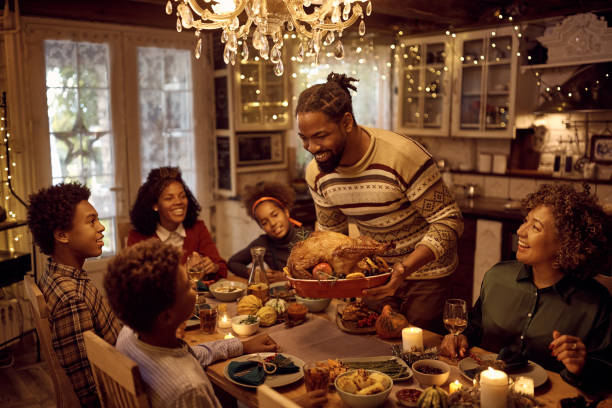
The holidays are often called the most wonderful time of the year. By November, Mariah Carey is playing in every store, while messages around us urge us to feel thankful, celebrate family, honor traditions, and count our blessings.
But what if the holidays do not feel so wonderful?
You might be sitting at a beautifully set table with people you love and still feel disconnected, anxious, or worn out.
While others share what they’re grateful for, your thoughts may turn to someone who isn’t there, the childhood you didn’t have, or painful experiences you’re still trying to understand.
And you may wonder why you feel guilty for not being happier.
I want you to remember this: You can be grateful for your life and still hurt because of what you’ve been through. Both can be true at once.
You do not have to choose between appreciating what you have and acknowledging what you have lost. You do not have to minimize your trauma to prove you are healing or pretend everything is okay just because it is a holiday.
I’m Tiffanie Brown, LCSW-R, Clinical Director of Renewed Focus Psychology Services, PLLC. In my work with adolescents and adults, I support people navigating trauma, anxiety, depression, relationship challenges, and major life transitions.
I care deeply about helping people understand how earlier experiences can shape their relationships, emotions, and the way they see themselves. I am sharing these reflections because you deserve room for both the good in your life and the parts that still hurt.
The Pressure to Be Grateful
Gratitude can help us notice what is sustaining us. But it becomes painful when it is used to dismiss what we’re going through.
Maybe you’ve heard, “At least you’re still here,” “Other people have it worse,” or “That happened a long time ago. You need to move on.”
People may say these things because they care, or because they don’t know how to sit with pain. Either way, you may be left feeling that your hurt is inconvenient, and gratitude should make it disappear.
If you learned early to hide sadness, keep anger to yourself, or make sure everyone else was okay, the holidays can bring those old expectations back.
You may have become exceptionally good at setting your own needs aside. Then the holidays arrive, and those familiar expectations can return.
Why the Holidays Can Trigger Old Emotional Wounds
In my work with clients, I often talk about how today’s feelings can connect to earlier experiences, even when the link is not obvious at first.
Holiday traditions, family expectations, and familiar places can bring earlier experiences close again.
A family gathering may bring up helplessness, rejection, or a need to stay on alert. If you are grieving, familiar traditions can make someone’s absence feel especially sharp.
If home once felt unpredictable, being around family may leave you tense even when no one is arguing.
You might notice irritability, withdrawal, exhaustion, headaches, muscle tension, or stomach discomfort.
You may even feel like a younger version of yourself. You might think, “I’m an adult. Why do I get so anxious around my family?”
Understanding that you’re safe now doesn’t always stop your body from reacting to reminders of the past. A racing heart or tight shoulders may be telling you that something feels difficult or familiar.
That reaction doesn’t mean you’ve failed to heal. It may be a sign that you need care and compassion in this moment.
Gratitude and Grief Can Share the Same Space
You can love your parents and still name ways they hurt you. You can appreciate your partner and still feel lonely sometimes. You can be proud of what you’ve done and grieve what you missed.
You can enjoy time with family and still need distance from a relative. You can feel grateful for where you are and wish parts of your journey had been different. One truth doesn’t cancel the other.
Many of us have been taught to choose one feeling: if we’re grateful, we shouldn’t be sad; if we’ve moved on, the past shouldn’t still hurt.
But healing can mean making room for more than one feeling without judging yourself for it.
Instead of asking, “Why am I still upset when I have so much to be thankful for?” try asking, “What still needs acknowledgment, even as I appreciate what’s good in my life?” That question can make room for honesty.
Giving Yourself Permission to Experience the Holidays Differently
Healing doesn’t have to mean avoiding family or giving up traditions. It can mean noticing that you have choices and deciding what feels manageable for you.
You might stay for two hours instead of the whole day, change the subject when a conversation feels too personal, or start a tradition with people who help you feel safe.
You might also choose a quiet holiday at home. There is no single right way to spend the season.
Here are a few gentle ways to check in with yourself this season.
1. Check in with yourself before saying yes
Before saying yes, pause and ask: “Do I have the emotional capacity for this?” Notice whether you feel interested, obligated, guilty, or afraid.
2. Practice setting boundaries
You do not owe anyone a long explanation to protect your well-being. “I’m not comfortable discussing that today” or “I can stay for a little while” is enough.
3. Notice what your body is telling you
Notice when your shoulders tighten, your breathing changes, or you want to withdraw. These cues can help you check in with yourself. Try feeling your feet on the floor, taking a slow breath, or stepping outside for a moment.
4. Make room to grieve what was missing
You may be grieving not only someone you lost, but also relationships you needed, experiences you deserved, or support you didn’t receive. Those losses matter, even if life looks different now.
5. Let gratitude be personal
Rather than listing what you think you should appreciate, ask what feels meaningful to you. Maybe you’re proud that you’ve learned to say no, noticed an old pattern, or made it through something difficult.
Sometimes gratitude is noticing how far you’ve come.
You don’t have to feel happy just because other people are celebrating. You can enjoy a moment and still grieve or appreciate your family while acknowledging that some relationships are complicated. Healing doesn’t require you to turn pain into a lesson or pretend you’re fine.
This season, try asking yourself: “What would it look like to be honest with myself and kind to the person I used to be?” You deserve room for both the life you’ve built and the hurt you’re still carrying.
If the holidays bring up trauma, grief, or complicated family dynamics, you don’t have to navigate them alone. At Renewed Focus Psychology Services, PLLC, we offer a supportive, collaborative, and culturally responsive space to explore what you’ve been through and build coping strategies and relationships that honor your needs. You deserve more than getting through the holidays; you deserve to experience them in ways that support your well-being. Schedule your consultation today!