
by Tiffanie Brown, LCSW-R
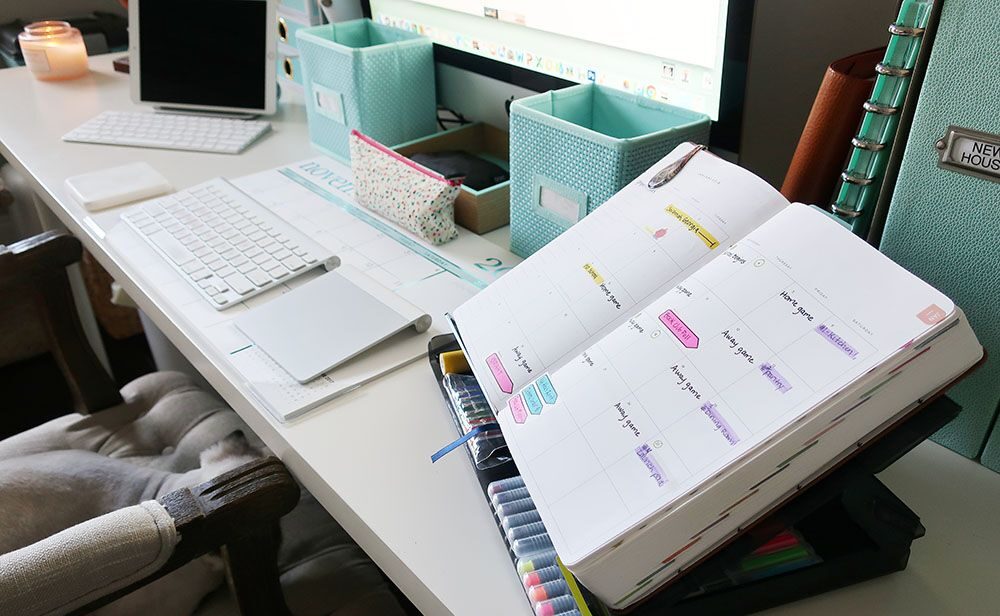
Some people hear the word routine and immediately picture peace.
A color-coded calendar. A matching set of storage bins with printed labels. A Sunday meal prep that somehow produces six perfect lunches and leaves the kitchen cleaner than before.
For others, routine does not feel calm at all. It feels like pressure.
It sounds like someone yelling, “You have to do it this way.” Even when the routine may be simple, your body may react as if your freedom is being taken away. You might become tense, irritated, anxious, avoidant, or suddenly physically exhausted.
Then comes the self-judgment, “Why can’t I follow a simple schedule without turning it into an emotional event?
If this sounds familiar, please know that you are not lazy, difficult, or incapable of consistency. Sometimes routine feels like control because your nervous system learned to connect structure with danger, criticism, punishment, or even a lack of choice.
I am Tiffanie Brown, a Licensed Clinical Social Worker with Renewed Focus Psychology Services. In my work with adolescents, young adults, and families, I often see people blame themselves for reactions that make much more sense when viewed through the lens of trauma.
Let’s talk more about what looks like resistance actually being protection.
When Structure Becomes the Trigger
For someone with childhood trauma such as witnessing substance abuse, domestic violence, or physical abuse, routines may have been enforced through fear. Perhaps, rules changed depending on a caregiver’s mood. Maybe mistakes led to humiliation, yelling, or punishment. Maybe you had very little privacy, autonomy, or room to say no.
In that environment, structure was not supportive. It was a way someone else held power.
This is one way a trauma response can show up. The reaction is not always a vivid memory or a panic attack. Sometimes emotional triggers lead to reactions such as procrastination, defensiveness, shutting down, or a strong urge to do the exact opposite of what was requested.
This is how your nervous system is trying to protect your sense of choice.
Why Do Routines Stress You Out
If you have ever searched why do routines stress me out, you may have assumed the answer was poor discipline.
But a more compassionate question is: What does routine represent to me?
Routine can represent being watched. It can represent impossible expectations. It can remind you of a home where there was one correct way to fold a towel, speak at the dinner table, organize your room, or express an emotion. Even now, a simple plan can feel less like guidance and more like a test you are already afraid of failing.
It is also important to note that anxiety and control often feed each other.
When anxiety rises, we may try to control more to feel safe. At the same time, feeling controlled by another person can increase anxiety.
Another example of this is you may want structure and resent it at the same time. That contradiction does not mean you are confused.
It means two valid needs are present: the need for stability and the need for autonomy.
You might also create very strict routines for yourself. This can be another attempt to manage uncertainty. If every hour is planned, perhaps nothing unexpected can happen.
But when life inevitably interrupts the plan, your anxiety spikes and self-criticism takes over. The routine that was supposed to support you becomes another authority figure living in your phone calendar. (aka your mother!)
That last part deserves a little laugh because some of us have allowed a reminder phone notification to speak to us like an angry parent.
The distress is real. Trauma triggers are often less about the task itself and more about the meaning your mind and body assign to it.
What are the Signs that Routine is Activating you
You may notice that a routine is touching an old wound when your reaction feels bigger than the present moment.
Your chest tightens when plans become fixed. You feel anger when someone reminds you about a task. You avoid beginning because starting feels like surrender. You become perfectionistic and believe the routine only counts if you follow it exactly.
I want you to start listening to the story in your mind.
Thoughts such as “I have no choice,” “I am going to get in trouble,” or “Nothing I do is good enough” may signal that an old wound is being activated.
Noticing the pattern is not about blaming childhood for everything. It is simply about gaining context, and context gives you options.
Regulate your Nervous System Before Problem Solving
When your body senses danger, logic alone may go out the window. You can tell yourself that a morning checklist is harmless while every muscle in your body is screaming no! This is where nervous system regulation matters.
Start by slowing the moment down.
Place both feet on the floor. Take a longer exhale than inhale. Look around the room and name what confirms that you are safe right now. Then identify the specific choice you still have. Perhaps you can change the order, shorten the routine, or decide when to begin.
The goal is not to force yourself into compliance. The goal is to help your body recognize the difference between past control and present structure.
That distinction creates room for a response instead of an automatic reaction.
The Importance of Choice
Trauma healing does not require you to become a person who loves rigid schedules. It means learning how to create enough structure to support your life without abandoning yourself.
Try using flexible anchors instead of strict rules.
An anchor might be eating something within an hour of waking rather than demanding breakfast at exactly 8:00. Give yourself two or three acceptable options for completing a task. Ask, “What would make this feel more supportive?” instead of, “How do I make myself obey?”
Language matters too. Notice the difference between “I have to go to bed by ten” and “I am choosing an earlier bedtime because I want more energy tomorrow.” The action may be similar, but the second statement returns the agency to you.
If another person is involved, communicate before resentment builds. You might say, “I do better when we agree on a plan together,” or “Reminders can make me feel pressured, so can we decide how we will check in?”
Healthy structure allows collaboration. Control demands compliance.
If routines consistently lead to conflict, avoidance, panic, or shame, therapy can help you understand the deeper pattern. You can identify trauma triggers, practice regulation skills, and learn how to tell the difference between a boundary, a request, and an attempt to control you.
The next time routine feels like control, pause before labeling yourself resistant.
Ask: What am I protecting right now?
Do I need more safety, more flexibility, clearer communication, or a real choice?
Your reaction may be carrying an old message, but you are allowed to write a new one.
At Renewed Focus Psychology Services, we help adolescents, young adults, and families understand the experiences beneath anxiety, avoidance, and feeling controlled.
If you are ready to explore how childhood trauma may be shaping your present relationships and routines, contact us to schedule a consultation. Together, we can build a structure that supports your life without making you feel trapped inside it.