
by Melanie Gibbons, LAC
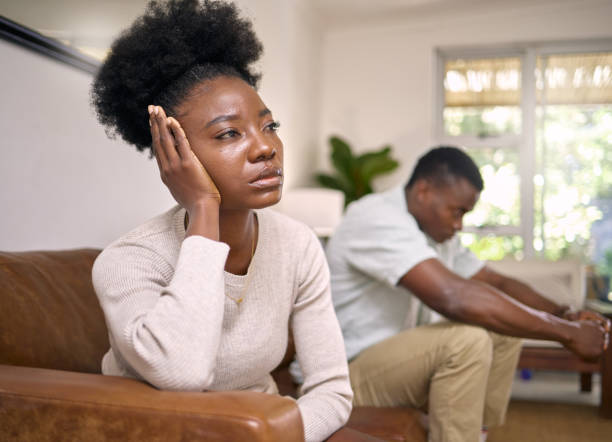
Why conflict avoidance can feel like love, but quietly create distance, and how couples can build safety without blowing up.
Let’s start with a confession. When couples tell me, “We never fight,” part of me is like… aw, that’s cute.
And another part of me, the trauma therapist part, gently leans forward like:
“Okay. And . . . what does it cost you to keep it that way?”
Because here’s the thing. Not fighting can mean you have great communication, strong repair skills, and mutual respect.
But sometimes? “We never fight” is not a sign of peace. It is a sign of protection.
It is a sign that somebody’s nervous system has learned, somewhere along the way, that conflict is dangerous. And when your body believes conflict is dangerous, you don’t “talk it out.” You avoid it, smooth it over, shut it down, or swallow it whole.
That’s not a character flaw. That’s a trauma response. And yes, it can show up in couples who genuinely love each other.
What I notice beneath the surface
Most of the time, when I’m sitting with couples, we’re talking about the usual relationship stuff: communication, disconnection, intimacy, the same argument that keeps showing up in a different outfit. But I’m always paying attention to what’s happening underneath those moments.
Because a lot of what looks like “personality” in a relationship is actually protection. A nervous system doing what it learned to do. A partner going quiet not because they don’t care, but because conflict feels unsafe. Someone staying agreeable because it keeps the connection intact, at least on the surface.
That trauma layer matters. Not in a heavy, dig-up-your-life-story way, but in a very practical way. It helps couples stop moralizing their patterns and start understanding them, so they can respond differently and feel closer, not just calmer.
So, let’s talk about it. Let’s talk about it in a way that’s real, not overly clinical, and does not make anyone feel like they need to unpack their entire childhood before finishing their coffee.
What is a trauma response, really?
When people hear “trauma response,” they often picture something dramatic or obvious. Panic attacks. Flashbacks. Big reactions.
But trauma responses can be quiet. They can look like being “easygoing.” They can look like being “the chill one.” They can look like never bringing things up that bother you.
A trauma response is simply the body’s learned way of staying safe when something feels threatening.
Not “logical threat.” Nervous system threat.
So, if you grew up around conflict that was explosive, shaming, unpredictable, or emotionally unsafe, your body may have learned: Conflict equals danger. Danger equals I need to protect myself.
In adult relationships, that can turn into patterns like:
- Avoiding hard conversations
- Agreeing quickly to keep things calm
- Shutting down when emotions rise
- People-pleasing
- Saying “It’s fine” when it is absolutely not fine
- Minimizing your needs because they feel like “too much”
Again, not because you’re broken. But because your body got really good at surviving.
Why “we never fight” can be a red flag
This is where couples get confused, because they are like: “Wait. Are you saying we should fight more?” No. I’m saying you should be able to tolerate normal conflict without your nervous system acting like it’s the apocalypse.
Healthy couples have disagreements. They have mis attunements. They bump into each other’s stress, triggers, needs, and blind spots.
The goal is not to “never fight.” The goal is:
- We can be honest without fear.
- We can disagree without disconnecting.
- We can repair without punishment.
- We can handle emotional intensity without someone shutting down or blowing up.
When couples never fight, it can sometimes mean:
- Someone is swallowing resentment.
- Someone is editing themselves.
- Someone is choosing peace over honesty.
- Both partners are avoiding conflict because it feels unsafe.
And the relationship starts to run on politeness instead of intimacy. Because intimacy requires truth. And truth sometimes includes tension.
What “keeping the peace” looks like in real life
Let’s make this painfully relatable. Keeping the peace can sound like:
- “It’s not a big deal.”
- “I don’t want to start a fight.”
- “I’ll just handle it myself.”
- “They’ve had a long day.”
- “I don’t want to ruin the weekend.”
- “It’s fine, forget it.”
And it can look like:
- One partner always deferring
- Issues getting “resolved” fast, but never actually processed
- Someone feeling like they live with a roommate who is pleasant but distant
- A relationship that is functional, but not emotionally close
- Small irritations stacking up quietly, like little emotional receipts no one asked for
Keeping the peace is often a short-term strategy that helps you avoid discomfort now, but it creates disconnection later.
It’s like putting your feelings in a storage unit. Eventually, it’s full. And then you’re paying emotional rent on stuff you never even use.
How trauma shows up as conflict avoidance
Here are a few common trauma-rooted reasons why couples avoid conflict. You might see yourself in one, your partner, or both.
1) “If I bring it up, I’ll be rejected.”
This often shows up as people-pleasing, overexplaining, or staying quiet. The fear is not the argument. The fear is losing the relationship.
2) “If I upset you, something bad will happen.”
If someone grew up in a home where anger meant emotional withdrawal, punishment, or chaos, their body may treat conflict like an emergency.
3) “My needs don’t matter.”
This is the quieter trauma story. It can come from being dismissed, ignored, or told you were too sensitive. So, you learn to have no needs, or at least none you admit out loud.
4) “Conflict means I’m unsafe.”
Some nervous systems equate conflict with danger. Not because the current partner is dangerous, but because the body remembers old experiences.
5) “I don’t know how to do conflict without it becoming ugly.”
A lot of people did not grow up seeing healthy repair. They saw yelling, stonewalling, blame, or silence. So, as adults, they avoid conflict because they truly do not know what “healthy conflict” looks like.
This is where a trauma lens matters in couples’ work. Because I am not just teaching communication skills. I’m helping couples build enough emotional safety that honesty does not feel like a threat.
The sneaky downside of never fighting
Here’s what tends to happen when couples avoid conflict long-term.
Resentment quietly grows
It starts small. Then it becomes a personality trait. One partner starts feeling like: “I do everything.” The other starts feeling like: “Nothing I do is enough.” And nobody says it out loud, because we are keeping the peace, remember?
Emotional distance increases
You can be kind and still feel alone. A couple can look fine to everyone else and feel completely disconnected behind closed doors.
Explosions happen later, over something dumb
If you never fight, eventually you will fight about something that makes no sense. The dishwasher. The tone. The look. The way they breathed or chew their food. It’s never about the dishwasher. It’s about the 47 conversations you didn’t feel safe enough to have.
One or both partners start to numb out
When you constantly suppress your truth, your body adapts. It disconnects. People start feeling flat, tired, checked out, or emotionally unavailable. That is not laziness. That is nervous system fatigue.
What healthy conflict actually looks like
Healthy conflict is not yelling. It’s not insulting. It’s not the silent treatment. It’s not “winning.”
Healthy conflict is:
- Bringing something up while staying respectful
- Being honest without being cruel
- Getting curious instead of defensive
- Owning your part without self-shaming
- Repairing after things get tense
- Creating a relationship where truth is allowed
A good goal for couples is not “we never fight.” A good goal is: “We can disagree and still feel emotionally safe.”
That is the foundation of secure connection.
How to start shifting this pattern
If you’re reading this thinking, “Okay… we might be a no-fight couple,” here are some gentle, doable steps.
1) Name the pattern with compassion
Try: “I notice we avoid hard conversations. I think we’re both trying to keep things calm, but I don’t want us to lose closeness.”
Keep it soft. Keep it honest. Keep it human.
2) Start small, not deep
You do not need to start with your biggest wound.
Start with something low stakes:
- division of chores
- how you make plans
- how you handle family events
- what you each need when you’re stressed
Let your nervous system learn that conflict can be survivable.
3) Use a “both things are true” mindset
Example: “I love you, and I’m frustrated.” Or: “I know you didn’t mean it, and it still hurt.”
This helps couples stay connected while being honest.
4) Practice repair like it’s normal
Because it is normal. Repair can sound like:
- “I got defensive. Let me try again.”
- “I hear you. I didn’t realize it landed that way.”
- “I’m sorry. I want to understand.”
Repair is the difference between couples who grow and couples who stay stuck.
5) Get support if conflict feels unsafe
If one or both of you have trauma histories, conflict might not just feel uncomfortable. It might feel dangerous. And that is where therapy helps. Not because anyone is “too much,” but because your nervous system deserves support.
A gentle reminder
If conflict feels unsafe for you, that does not mean you are bad at relationships. It means your body learned to survive through avoiding.
And the beautiful thing is, you can learn something new.
You can learn to speak up without panic.
You can learn to hear feedback without shutting down.
You can learn to repair without spiraling.
You can learn that disagreement does not have to equal disconnection.
That is the work. That is the healing you deserve.
Want help with this?
If you and your partner are reading this and thinking, “Okay… this is us,” take that as information, not a diagnosis. A lot of couples have learned to avoid conflict for really understandable reasons, and it can take time to build the kind of safety where honesty doesn’t feel like a threat.
If this hit a nerve, it might be worth getting curious together: What are we protecting ourselves from? What do we think would happen if we were more honest? What do we need in order for conflict to feel manageable instead of scary?
Book a consultation call and we’ll talk about what’s going on, what you’ve tried, and what would help you both feel safer and closer moving forward.