
Couples Who Never Fight: When “Keeping the Peace” Is Actually a Trauma Response
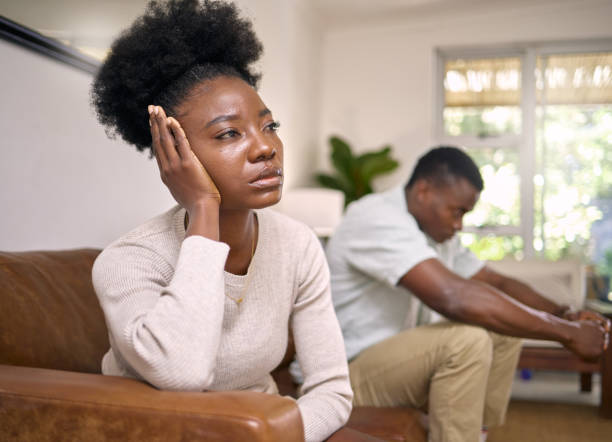
by Melanie Gibbons, LAC Why conflict avoidance can feel like love, but quietly create distance, and how couples can build safety without blowing up. Let’s start with a confession. When couples tell me, “We never fight,” part of me is like… aw, that’s cute. And another part of me, the trauma therapist part, gently leans forward like: “Okay. And . . . what does it cost you to keep it that way?” Because here’s the thing. Not fighting can mean you have great communication, strong repair skills, and mutual respect. But sometimes? “We never fight” is not a sign of peace. It is a sign of protection. It is a sign that somebody’s nervous system has learned, somewhere along the way, that conflict is dangerous. And when your body believes conflict is dangerous, you don’t “talk it out.” You avoid it, smooth it over, shut it down, or swallow it whole. That’s not a character flaw. That’s a trauma response. And yes, it can show up in couples who genuinely love each other. What I notice beneath the surface Most of the time, when I’m sitting with couples, we’re talking about the usual relationship stuff: communication, disconnection, intimacy, the same argument that keeps showing up in a different outfit. But I’m always paying attention to what’s happening underneath those moments. Because a lot of what looks like “personality” in a relationship is actually protection. A nervous system doing what it learned to do. A partner going quiet not because they don’t care, but because conflict feels unsafe. Someone staying agreeable because it keeps the connection intact, at least on the surface. That trauma layer matters. Not in a heavy, dig-up-your-life-story way, but in a very practical way. It helps couples stop moralizing their patterns and start understanding them, so they can respond differently and feel closer, not just calmer. So, let’s talk about it. Let’s talk about it in a way that’s real, not overly clinical, and does not make anyone feel like they need to unpack their entire childhood before finishing their coffee. What is a trauma response, really? When people hear “trauma response,” they often picture something dramatic or obvious. Panic attacks. Flashbacks. Big reactions. But trauma responses can be quiet. They can look like being “easygoing.” They can look like being “the chill one.” They can look like never bringing things up that bother you. A trauma response is simply the body’s learned way of staying safe when something feels threatening. Not “logical threat.” Nervous system threat. So, if you grew up around conflict that was explosive, shaming, unpredictable, or emotionally unsafe, your body may have learned: Conflict equals danger. Danger equals I need to protect myself. In adult relationships, that can turn into patterns like: Again, not because you’re broken. But because your body got really good at surviving. Why “we never fight” can be a red flag This is where couples get confused, because they are like: “Wait. Are you saying we should fight more?” No. I’m saying you should be able to tolerate normal conflict without your nervous system acting like it’s the apocalypse. Healthy couples have disagreements. They have mis attunements. They bump into each other’s stress, triggers, needs, and blind spots. The goal is not to “never fight.” The goal is: When couples never fight, it can sometimes mean: And the relationship starts to run on politeness instead of intimacy. Because intimacy requires truth. And truth sometimes includes tension. What “keeping the peace” looks like in real life Let’s make this painfully relatable. Keeping the peace can sound like: And it can look like: Keeping the peace is often a short-term strategy that helps you avoid discomfort now, but it creates disconnection later. It’s like putting your feelings in a storage unit. Eventually, it’s full. And then you’re paying emotional rent on stuff you never even use. How trauma shows up as conflict avoidance Here are a few common trauma-rooted reasons why couples avoid conflict. You might see yourself in one, your partner, or both. 1) “If I bring it up, I’ll be rejected.” This often shows up as people-pleasing, overexplaining, or staying quiet. The fear is not the argument. The fear is losing the relationship. 2) “If I upset you, something bad will happen.” If someone grew up in a home where anger meant emotional withdrawal, punishment, or chaos, their body may treat conflict like an emergency. 3) “My needs don’t matter.” This is the quieter trauma story. It can come from being dismissed, ignored, or told you were too sensitive. So, you learn to have no needs, or at least none you admit out loud. 4) “Conflict means I’m unsafe.” Some nervous systems equate conflict with danger. Not because the current partner is dangerous, but because the body remembers old experiences. 5) “I don’t know how to do conflict without it becoming ugly.” A lot of people did not grow up seeing healthy repair. They saw yelling, stonewalling, blame, or silence. So, as adults, they avoid conflict because they truly do not know what “healthy conflict” looks like. This is where a trauma lens matters in couples’ work. Because I am not just teaching communication skills. I’m helping couples build enough emotional safety that honesty does not feel like a threat. The sneaky downside of never fighting Here’s what tends to happen when couples avoid conflict long-term. Resentment quietly grows It starts small. Then it becomes a personality trait. One partner starts feeling like: “I do everything.” The other starts feeling like: “Nothing I do is enough.” And nobody says it out loud, because we are keeping the peace, remember? Emotional distance increases You can be kind and still feel alone. A couple can look fine to everyone else and feel completely disconnected behind closed doors. Explosions happen later, over something dumb If you never fight, eventually you will fight about something that makes no sense. The dishwasher. The tone. The look. The way they breathed or chew their food. It’s never about the dishwasher. It’s about the 47 conversations you didn’t feel safe enough to have. One or both partners start to numb out When you constantly suppress your truth, your body adapts. It disconnects. People start feeling flat, tired, checked out, or emotionally unavailable. That is not laziness. That is nervous system fatigue. What healthy conflict actually looks like Healthy conflict is not yelling. It’s not insulting. It’s not the silent treatment. It’s not “winning.” Healthy conflict is: A good goal for couples is not “we never fight.” A good goal is: “We can
Love Beyond Romance: What Motherhood Teaches Us About Love

by Autumn Colon When we talk about love, we almost always mean romance. Partnership. Marriage. Desire. Being chosen. But not all love is romantic. And motherhood will teach you that quickly. Motherhood shifts the way you experience love, not just toward your children, but toward your partner, your community, and yourself. It forces you to confront what love actually looks like when it’s tired, stretched, and responsible for more than just chemistry. Motherhood is not just a new role. It’s an identity shift. Psychologists call this matrescence, the developmental transition into becoming a mother. And like any major transition, it reshapes relationships. Sometimes quietly. Sometimes dramatically. The Relationship with Yourself The first relationship that changes in motherhood is often the least discussed: the one you have with yourself. Many mothers describe feeling like they “lost” who they were. Not because they regret becoming a parent, but because their needs slowly moved to the bottom of every list. Time, body autonomy, career identity, rest — all renegotiated. Recognizing this, holding this truth does not mean you have regrets about your children or the new role; it simply means, you are human. In therapy, I often ask mothers a simple question: Where did you go? Not in a dramatic way. Just gently. Somewhere between managing schedules, anticipating needs, and holding emotional labor, many women stop checking in with themselves. The disconnection between mind, body and living life has become the norm that loving self just feels like another thing to add to the never-ending list. So, you do nothing, say nothing, and sit with it. Burnout thrives in that silence. One exercise I use with clients is mapping energy instead of time. Instead of asking “What do you need to get done?” we ask, “What depletes you? What restores you?” Often the depletion column is long and unquestioned. The restoration column is short, sometimes blank. Rebuilding love of self in motherhood isn’t about luxury. It’s about regulation. It might mean: If you’re wondering where to begin, try the non-negotiable list as your first stop. That list is your anchor, and nothing comes before ensuring your non-negotiable (a.k.a your baseline) has been tended too. Love that excludes you will eventually exhaust you. And we’re not doing that, sis. We’re no longer self-sabotaging in the name of motherhood. The Relationship with Your Partner Romantic love shifts under the weight of responsibility. Parenthood exposes inequities in labor, communication gaps, and unspoken expectations. Intimacy changes. Time changes. Desire changes. And for many couples, the shift feels personal when it’s actually structural. This isn’t sad or discouraging. This is reality. Love changes. And it should; as you move throughout life, there will be many changes in you, your partner and your relationship. The sweet spot is making sure throughout those changes you find your way back to each other. In sessions with couples, I often help them move from accusation to clarification. Instead of “You never help,” we explore, “What does support look like to you?” Instead of assuming alignment, we define it. Motherhood changes both partners. But it’s not always at the same pace. Love after children requires intentional recalibration. One practice I suggest is a weekly “state of us” check-in — not about logistics, but about emotional temperature. How are we feeling? Where are we disconnected? What feels unbalanced this week? The love may take a new shape, they may see you in a new light, you may wake up and say, how did we get here. These questions don’t always mean the love is lost, it’s still love. It’s just maturing. The Relationship with Community Motherhood also reshapes friendships and family relationships in ways that can feel subtle at times — and seismic over time. Some friendships deepen because they can hold your new reality. Others drift because the rhythms no longer align. They say motherhood shows you the truth of who your true friends and village are. Your needs change. You may need more flexibility. More emotional safety. More understanding around time and energy. You may find yourself less interested in surface-level connection and more protective of where your vulnerability goes. Some friendships deepen because they can hold your new reality. They adjust with you. They grow with you. Others feel strained; not from absence of love, but from a shift in season and capacity. And then there’s family. Parenting can resurface old dynamics quickly. Especially if you’re choosing to raise your children differently than how you were raised. Boundaries that once felt unnecessary suddenly become essential. Conversations you once avoided feel unavoidable. Many mothers quietly grieve here — not because they don’t love their people, but because loving well now requires clarity. Love in community doesn’t mean constant access, shaky boundaries or overextending yourself for the sake of “this is my mother/best friend/aunt, I’m expected to show up this way”. It doesn’t mean enduring dynamics that exhaust you. Look for mutual respect and room to grow. In my work, I often encourage mothers to audit their support systems without guilt. Not to cut people off impulsively, but to assess alignment. I ask questions that help you get a clear understanding of the people you love that you want with you during this phase of your life. Who feels safe? Who respects your parenting choices? Who allows you to evolve? Where do you feel like you have to shrink? And here’s the part that matters: motherhood may be a significant part of who you are, but it is not all of who you are. If every relationship only engages you as “mom,” the other parts of you begin to fade. The friend. The thinker. The creative. The woman with evolving interests and boundaries. A healthy community makes room for those parts and if not, in the words of Moses “let those people GO!” This means redefining closeness. Sometimes it means strengthening the relationships that can expand with you. Sometimes it means intentionally building new connections that reflect who you are becoming; not just who you’ve always been. Isolation increases burnout. But so does staying in proximity to people who cannot meet you where you are. The goal isn’t more people. It’s relationships where love continues to thrive — because you are allowed to grow inside of it. When Love Starts to Feel Like Labor There are seasons in motherhood when love feels expansive. And there are seasons when it feels like work. Burnout changes the emotional tone of everything. You can still care deeply and feel exhausted by the caring. You can still be devoted and quietly resent how much is required of you. Many mothers internalize this as guilt: But burnout is not a reflection of your capacity to
Women and Anxiety in Relationships: What You’re Actually Reacting To

by Tiffanie Brown, LCSW-R Hey girl, Hey! February is here and the stores are filled with heart shaped balloons, teddy bears, and chocolates. And while you are thinking about what to get your special person, I want you to reflect on these questions: Have you ever been told you are “doing too much; or that you are too sensitive, too anxious, or too intense?” Are you someone who replays conversations in your head, or someone who constantly scans for shifts in people’s tone; or are you the person who spirals when replies to your texts feel shorter? If this sounds like you, you are not imagining things! That tightness you feel in your body when something “feels off” is a sign that your body is trying to protect you. You see, what often gets labeled as relationship anxiety is actually something much deeper; it is your nervous system trying to protect you. The anxiety you are carrying in your body and into your relationships does not come from nowhere. It is shaped by your history, your experiences, and survival. So, let’s talk about what is really happening and why. Oh! And grab a box of dark chocolate for yourself; you might need them later. I am the kind of therapist that is passionate about getting to root of your emotions and helping you develop a deeper and healthier understanding of yourself. Anxiety in Relationships Isn’t Random, It’s Learned Many of my clients assume when anxiety shows up in relationships, it automatically means they are insecure or needy. But anxiety is rarely about wanting too much. It’s about learning, over time, that connection can be unpredictable. And yes, you most likely learned this in early childhood relationships, and it was later reinforced in your adult experiences. In therapy, we call this conditioning. So, let’s try and pinpoint some of this together. Can you recall a time when you’ve had to: Through these experiences your body may have learned that love requires you to stay on alert or vigilant. Vigilance affects your nervous system, which means in your relationships, your nervous system stays on alert, because you’ve learned that closeness can disappear without warning. Hypervigilance: When Your Body Is Always Paying Attention Hypervigilance is often misunderstood. It’s not about being paranoid; it is your body trying to prepare. It can look like: For many Black women, hyper-vigilance didn’t start in romantic relationships. It started early. This is quite common in families where emotional needs were not prioritized; in environments where expressing feelings felt risky; or in systems where being misunderstood had real consequences. In order to survive those experiences, your body learned to pay attention, or you might get hurt. So, now as an adult, when someone pulls back, even slightly, your nervous system responds before your logic can catch up. Safety Is the Missing Piece in Relationship Anxiety Here’s the part that doesn’t get talked about enough; anxiety often shows up when safety is inconsistent. And I am not talking about physical safety. I am talking about emotional safety. Emotional safety is knowing: When emotional safety isn’t established, anxiety begins to fill the gap. Remember it is trying to communicate to your body that something is “off,” and we need to prepare for or stabilize what is “unstable.” In response, you might find yourself explaining yourself repeatedly, or over-functioning to keep the relationship steady; or suppressing your needs to avoid conflict; or trying to “be better” so things don’t fall apart. Emotional Labor: The Invisible Load Women Carry Honest moment! Women are taught to manage relationships and that “ish” is exhausting. It’s like an unspoken rule. We are constantly expected to: Whew…can someone pass the chocolate. Over time, this creates an uneven dynamic where you are the emotional regulator of the relationship. And when you are doing most of the emotional labor, having anxiety makes sense. It can feel like you are carrying responsibility without support. Our body remembers past experiences too. We are not just reacting to what is happening now; we are reacting to what this moment reminds your body of. Your anxiety may be responding to past emotional neglect, inconsistent caregiving, being chosen last or overlooked, or having to earn love through effort. So, when something familiar shows up, like distance, silence, or unpredictability, your body reacts fast. This Isn’t About “Calming Down,” It is About Clarity Many women are told to manage anxiety by minimizing their reactions. But the goal isn’t to silence yourself. The goal is to understand what your anxiety is pointing to. When anxiety shows up, I want you to start asking yourself: When you listen instead of judging yourself, anxiety becomes information, not a flaw. Shifting From Survival to Self-Trust Here are 5 grounded ways to work with relationship anxiety instead of fighting it. 1. Track Patterns, Not Moments Instead of reacting to one interaction, zoom out. Ask yourself: Is this a pattern or a one off. Consistency matters more than intensity. 2. Notice Where You Over-Function Where are you doing more emotional work than the other person? Where are you initiating, repairing, explaining, or holding things together alone? 3. Check in With Your Body Anxiety often shows up physically first. Tight chest. Shallow breathing. Restlessness. Pause and ask: What doesn’t feel safe right now? 4. Practice Saying Needs Without Over-Explaining You don’t need a dissertation to deserve care. Here’s a script: “I need more consistency to feel secure.” 5. Ask Yourself This Question If I stopped managing this relationship, what would happen? Your answer will tell you a lot. Ok! I hope you walk away from this believing that you are not “too much.” You’re just responding to what you’ve had to survive. Anxiety in relationships doesn’t mean you’re incapable of love; it means you care deeply and have learned to protect yourself. If this blog resonated with you and you need support navigating anxiety in your relationships, schedule a consultation with me at Renewed Focus. And remember the work isn’t to become less sensitive. It is to build relationships where your sensitivity is safe.
The Winter Chill and Your Inner Storm: Navigating PMDD and Anxiety During the Winter Season

by Autumn Colón, Associate Therapist Winter has a way of turning the volume up on everything we already carry. I see it every year, in my clients, in quiet check-ins that start with “I don’t know why this feels so hard right now, even my body feels it too.” The days get shorter, the light fades earlier, routines shift, and suddenly what felt manageable a few months ago feels heavier, louder, harder to move through. If you live with PMDD, anxiety, or both, winter can feel especially unforgiving. Thoughts spiral faster. Emotions sit closer to the surface. Rest doesn’t always touch the exhaustion the way you expect it to. I want to say this clearly: you’re not doing something wrong. This is your body, your hormones, and your nervous system responding to real seasonal changes. Why Winter Can Hit Harder with PMDD and Anxiety PMDD already asks a lot of you. For part of every month, typically the one to two weeks leading up to your period (the luteal phase), your emotional tolerance becomes narrower. Anxiety may spike. Irritability feels constant. Sadness or hopelessness can arrive without warning. Many women describe feeling like they become a different version of themselves during this time. Now add winter to the mix. Here’s where things get layered. Seasonal shifts often include: ● Less natural sunlight ● More time indoors ● Disrupted sleep and routines ● Lower energy and motivation Even without a disorder, these changes matter. They affect mood regulation, stress tolerance, and nervous system balance. This is what I often tell clients: winter doesn’t create PMDD or anxiety, it simply amplifies what’s already there. When the luteal phase overlaps with the colder months, it can feel like everything stacks at once. When it rains, it pours, am I right? So, what has my experience working with clients taught me? That these moments are not regression. They are signals. It’s your mind and body screaming for adjustment, not judgment. When we stop trying to power through and start listening, something begins to shift. A Softer Way to Move Through Winter With PMDD There’s a line from a book I read by Katherine May that I often come back to. Winter is not the end of the cycle; it’s the part where something is quietly reshaping. This is a season for listening more closely and responding with care. Here’s how I help clients approach this time of year, and how you might begin thinking about it too. Build Awareness Without Turning It Into Self-Criticism One of the most helpful tools for PMDD is tracking, especially in the winter. That doesn’t just mean tracking your cycle; it also means noticing seasonal shifts in your energy, mood, sleep, and stress levels. When you understand what tends to show up and when, you’re less likely to be caught off guard by it. This can look like: ● Tracking your menstrual cycle alongside changes in daylight, energy, and mood ● Noticing when anxiety tends to spike or motivation drops ● Naming what’s predictable instead of treating it as a personal failing For some people, additional light exposure during the darker months can be supportive. During the luteal phase, you might consider talking with a provider about using a light therapy lamp in the mornings to help support mood and energy. Just as important is naming the “why.” When anxiety ramps up, it can help to gently remind yourself that this is hormonal, seasonal, and temporary. That reminder doesn’t make symptoms disappear, but it can take the edge off the panic and reduce the shame spiral that often comes with PMDD. Slow Down Earlier, Not After You’ve Hit Empty Winter asks us to slow down, and PMDD often demands it. When you keep pushing anyway, symptoms tend to escalate. Slowing down earlier helps prevent the crash that often comes later. This might look like: ● Lighten your load and schedule during luteal weeks when possible ● Saying no to non-essential commitments without overexplaining ● Letting “good enough” be enough for now Rest is not a reward for productivity. It’s a basic need, especially during this phase of the month and this time of year. When energy is limited, how you spend it matters. Support Your Body with Steady Nourishment Winter PMDD often shows up physically as much as emotionally. Appetite changes, cravings increase, and energy dips are common, especially during the luteal phase. Instead of fighting that, focus on support. That can include: ● Eating consistently to avoid blood sugar crashes that worsen anxiety ● Choosing warm, grounding meals that feel comforting and satisfying ● Prioritizing nutrient-dense foods like complex carbohydrates and healthy fats The goal isn’t perfection. It’s steadiness. Prepare for the Hard Days Before They Arrive This is one of the most important pieces of working with PMDD in winter. Preparation is not pessimism. It’s self-care. Instead of waiting for symptoms to take over, we plan for them ahead of time. That might include: ● Creating a short list of grounding anchors you can return to when things feel overwhelming ● Keeping those anchors simple and non-negotiable, like a short walk, deep breathing, or a calming playlist ● Choosing just one thing to do when symptoms hit, rather than trying to do everything Grounding techniques can also be helpful when anxiety pulls you into future-based worry. Practices like the 5-4-3-2-1 exercise can help bring your focus back into your body and the present moment. How I Work With Clients Through This I don’t approach PMDD and anxiety as problems to manage from a distance. As a therapist who specializes in women’s health, I work with women in a way that honors how their bodies, cycles, and lives change over time. My experience has taught me that PMDD isn’t just a diagnosis, it’s a lived rhythm. When you learn to work with that rhythm instead of against it, the shifts begin to soften. In our work together, we might focus on: ● Understanding your unique patterns ● Responding to your body with care instead of criticism ● Building supports that fit your life This isn’t about pushing through winter chill. It’s about moving through it with more honesty, more pacing, and less self-blame. A Final Thought If winter feels heavier for you, especially with PMDD and anxiety, you’re not imagining it. This season asks us to slow down, listen more closely, and stop expecting summer-level energy from winter bodies. You’re allowed to adjust. You’re allowed to need more support. You’re allowed to meet yourself where you are. Sometimes the most meaningful work isn’t quieting the inner storm; it’s learning how to stay with yourself until the storm passes. And you don’t have to do that alone. These are the things I return to as winter settles in, and the pace of life shifts. If you are looking for something that might help you move through this season with more
Holiday Grief Hits Different: What Nobody Tells You About the “Firsts” After Losing Someone You Love

by Dr. Melissa Robinson-Brown, PhD (Dr. Mel) I watched him dance around the kitchen island… and I can’t stop replaying it. Four years ago, we were at my sister’s house for the holidays. My dad — in full goofy joy mode — took on a challenge from a game we were playing and DANCED around that island like the happiest man alive. That was him. Silly. Willing. Joyful. A man who embodied a level of contentment most people spend their whole lives chasing. And this year during holiday season? We’re driving “over the meadow and through the woods” to see family… and my chest is tight. Because this is our first holiday season without him. And whew… holiday grief is a different kind of ache — the kind that shows up uninvited, sits next to joy, and says, “Hey girl… scoot over.” The “Firsts” Nobody Prepares You For People warn you that the firsts after a loss are the hardest: But nobody tells you what they actually feel like. Nobody tells you: As a psychologist, I tell my clients all the time: Grief is a nasty, disrespectful b%$ch. Nonlinear. Messy. Loud. And it shows up whenever it feels like it. And holiday grief? It hits everyone — not just those mourning a death. People are grieving: If your heart feels heavy this season, you’re not imagining it. This time of year amplifies everything. What’s Actually Helping Me Navigate Holiday Grief (Right Now) Not the polished, “self-care is a bubble bath” stuff. I’m talking about what’s actually keeping me upright these last two weeks. 1. Let grief show up. You can’t outrun grief. If you try to push it down, it will come back louder and heavier. Let it have its space — not your whole house, but its seat in the corner. 2. Personify it. (Yes, really.) My grief has a name: Iggy. She’s a haggard, “The Ring”-looking woman walking beside me. Sometimes she taps my shoulder… Sometimes the b%$ch jumps on my back… And some days she minds her business and sits in the corner. We nod at each other. I acknowledge her. But I don’t pretend she’s not there. 3. Don’t let her run the whole room. Iggy gets space — but she does NOT get full control. If I collapse into her, I know I’ll struggle to get back up. If I allowed it, I would spend this whirl holiday season sleeping…but I know that’s not how to deal with this ache. So I sit with her… but I don’t surrender. 4. Anchor yourself to something that reminds you you’re alive. For me, it’s the gym. Movement pulls me back into my body when grief tries to drag me out of it. Every rep whispers: “You’re still here. You’re still living. And your dad would want that.” For you, it may be special family recipes, solo holiday shopping trips, a day at the spa, reading your favorite book cuddled up by the fire. Whatever it is, lean into your anchors. 5. Cry + let people hold you. I’ve cried more in the last two weeks than I have in months. And every tear has made room for breath. Let people show up for you. Lean if you need to lean. 6. Read something that speaks your grief language. I’ve been reading Notes on Grief by Chimamanda Ngozi Adichie. When I tell you this book said things I thought only existed in my own head? And her experience is so similar to mine…I feel seen! It has held me in ways I didn’t expect. Holiday Grief & Depression: What They Don’t Tell You Here’s the clinical truth: Grief isn’t depression — but the two can intertwine. Holiday grief can look like: If you notice these shifts in yourself, especially during the holidays, you’re not alone — and you’re not broken. At Renewed Focus, I work with high-achieving women who carry grief and depression quietly because they’re used to being the strong ones. Holiday grief can stir old sadness, trigger new waves, and make everything feel too loud or too empty. And if that’s you? You deserve support, not silence. You deserve a space where you don’t have to hold it all together. If you’re looking for that space, here’s where we do that work: Depression & Mood Support at Renewed Focus — culturally-attuned, real, and rooted in your lived experience. You Don’t Have to Navigate Holiday Grief Alone No one prepares you for losing a parent. No one prepares you for grieving in rooms full of people who have no idea how deep your ache goes. But you’re not the only one trying to hold grief and gratitude at the same time. You’re not the only one showing up to a holiday gathering with heartbreak tucked into your pocket. And you don’t have to pretend you’re okay. These are the things keeping me steady in the hardest season of the year. If you have things that help you cope, drop them in the comments — your truth might be the thing someone else needs today. Your’s in Badassery, Dr. Mel
Why You Fight More in December (And How to Stop Taking It Out on Each Other)

A Couples Therapist’s Guide to Holiday Stress, Emotional Triggers, and Not Breaking Up Over Gift Wrapping by Melanie Gibbons, LAC Let me just say this up front: If you and your partner fight more in December… I promise nothing is wrong with you. You’re not doomed. Your relationship is not failing. You’re not “incompatible,” “emotionally fragile,” or “secretly toxic.” You’re just… human. And it’s December. As a couples therapist who specializes in relational trauma, attachment wounds, conflict patterns, and emotional safety, I see the same thing every year: Couples who normally function well together suddenly start fighting like two exhausted raccoons fighting over the last piece of pizza. Why? Because December is basically a pressure cooker wrapped in twinkle lights. Let’s talk about it – why your relationship feels extra crunchy this month, and how to stop taking it out on each other so you can actually enjoy the season (and maybe even each other). Reason #1: December Stress Is a Whole Different Species Whatever stress you experience the other 11 months of the year? December takes it, multiplies it by 10, adds glitter, deadlines, and expectations, and calls it a “holiday.” Think about it: All while trying not to scream at anyone in public. So yes… you’re fighting more. Because your nervous system is auditioning for a one-person burnout show. Your partner is stressed. You’re stressed. And stress that isn’t named or managed? It leaks out sideways – through irritation, silence, snapping, passive-aggressiveness, or shutting down. You’re both doing the best you can with what your bandwidth allows. Reason #2: Family Triggers? Oh, They’re Loud in December I want you to picture your partner’s inner child sitting right next to them at the holiday table. That kid has opinions. That kid has memories. That kid has feelings. And that kid shows UP in December. This is when: If you or your partner grew up in a family where boundaries were not a thing, emotions were unsafe, or conflict was explosive? Just being in holiday mode can activate your body’s old survival patterns. So, the argument you’re having over holiday plans? Or the way your partner “disappears” during family gatherings? Or the way you suddenly feel like you’re 12 years old again? That’s not immaturity. That’s trauma activation. December is like a reunion for every wounded part of you… and none of them RSVP’d. Reason #3: Expectations Are Astronomical (and Secret) I need you to hear this with love: Most December fights are about expectations you did not say out loud. You thought your partner should… Meanwhile, they had their own secret expectations. And guess what? Those expectations do not match yours. December creates this fantasy that your partner will suddenly become psychic, romantic, thoughtful, intuitive, emotionally regulated, and festive as hell. Spoiler: They won’t. They’re human. Just like you. The mismatch between unspoken expectations and reality is one of the biggest causes of holiday conflict. Reason #4: Your Nervous System Is Not Okay Listen. Your body is TIRED. You’ve been going all year. Emotional labor? Stacked. Invisible workload? Overflowing. Unprocessed stress? Trying to escape through your eyeballs. Your nervous system is running on fumes, peppermint lattes, and the memory of a nap you took three years ago. When the body is dysregulated: Your partner does too. You’re not fighting each other – you’re fighting your nervous systems. Reason #5: Relational Trauma Shows Up When You Need Connection Most December can be beautiful… but it’s also lonely, overwhelming, and emotionally intense. If you carry relational trauma – abandonment wounds, betrayal wounds, emotional neglect, inconsistent caregiving, or a history of unsafe relationships – December magnifies that pain. You may notice: Your partner may be dealing with their own attachment triggers – avoidant tendencies, fear of engulfment, shutting down, withdrawing. You two aren’t broken. You’re just activated. Okay… So How Do We Stop Fighting So Much? Let’s get practical – here’s how to keep your relationship from turning into a holiday demolition site. 1. Narrate Your Stress Before It Narrates You Say the thing out loud: “I’m overwhelmed and not doing okay today. If I seem tense, it’s not about you.” This one sentence prevents 72% of December arguments. (Source: me. A couples therapist who sees this every year.) 2. Lower Expectations to Human Levels Repeat after me: “My partner cannot read my mind.” Say what you want. Say what you need. Say what matters. Say what doesn’t. Communicating your needs will never ruin a moment – it will protect it. 3. Schedule “We Are Not Talking to Anyone Else Today” Time It can be 20 minutes. Or a whole evening. But block off time to connect without family, tasks, or noise. Just you two. Phones down. Presence up. 4. Don’t Try to Solve Family Trauma in December Please. For your sanity. For your relationship’s survival. You cannot heal 25 years of dysfunction in one holiday visit. Focus on regulation, boundaries, and getting out alive. 5. Give Each Other the Benefit of the Doubt If your partner is snappy or quiet, assume one thing: “They’re overwhelmed, not malicious.” This alone can stop so much unnecessary conflict. 6. Use a Safe Phrase When Things Get Heated Create a phrase like: You’re not avoiding the conversation – you’re protecting it. 7. Remember You’re a Team, Not Opponents A simple reframe: “It’s us against the problem, not us against each other.” This changes everything. Final Thoughts: Your December Fights Don’t Mean You’re Failing If you’re arguing more this month, it means you’re human, you’re overwhelmed, and you’re navigating a season that demands more emotional bandwidth than most people actually have. Your relationship is not broken. Your love isn’t disappearing. Your connection isn’t gone – it’s just buried under holiday noise. The real work is learning how to turn toward each other instead of away… even when you’re stressed, triggered, or exhausted. That’s what creates secure attachment. That’s what rebuilds safety. That’s what makes relationships last. And yes – you can absolutely learn how to
Social Media and Its Effects on Your Financial Health

Can we get real with each other? Social media isn’t just for catching up with friends or watching addictive and hilarious reels, social media has become a comparison trap. Even if you aren’t searching for specific items in the search bar, it’s as if the algorithm can read your mind. It seems that you spent 10 seconds too long on an ad or an influencer’s page.
Burn the Script: How Letting Go of All-or-Nothing Thinking Can Loosen Depression’s Grip On Your Life

All-or-nothing thinking is one of those sneaky habits that looks like high standards on the outside, but behind the scenes? It’s doing real damage. It makes you question your progress, invalidate your own wins, and hold yourself hostage to an imaginary finish line.