
Love Beyond Romance: What Motherhood Teaches Us About Love
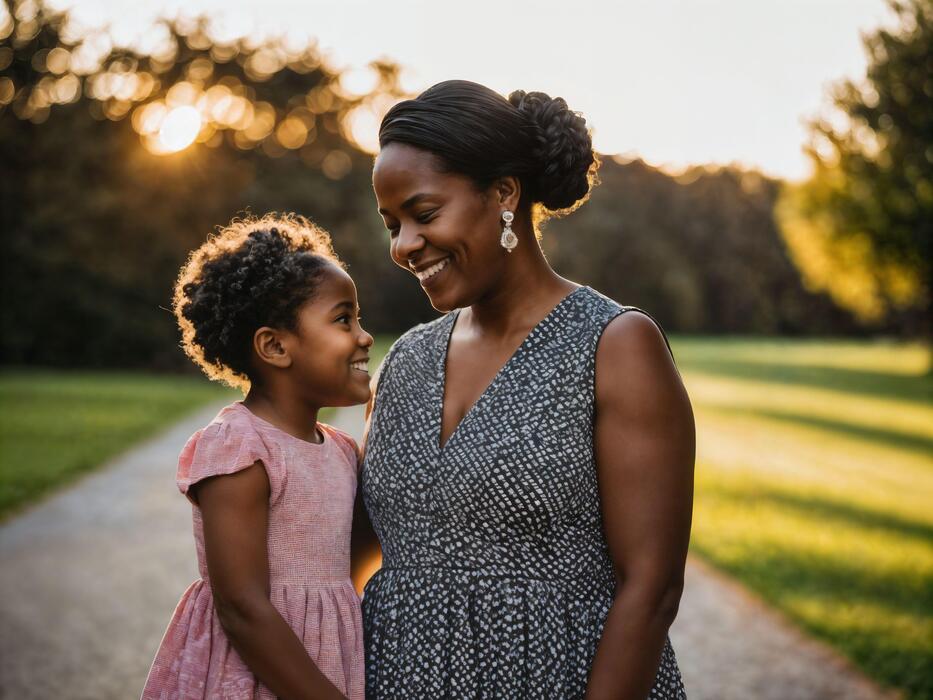
by Autumn Colon When we talk about love, we almost always mean romance. Partnership. Marriage. Desire. Being chosen. But not all love is romantic. And motherhood will teach you that quickly. Motherhood shifts the way you experience love, not just toward your children, but toward your partner, your community, and yourself. It forces you to confront what love actually looks like when it’s tired, stretched, and responsible for more than just chemistry. Motherhood is not just a new role. It’s an identity shift. Psychologists call this matrescence, the developmental transition into becoming a mother. And like any major transition, it reshapes relationships. Sometimes quietly. Sometimes dramatically. The Relationship with Yourself The first relationship that changes in motherhood is often the least discussed: the one you have with yourself. Many mothers describe feeling like they “lost” who they were. Not because they regret becoming a parent, but because their needs slowly moved to the bottom of every list. Time, body autonomy, career identity, rest — all renegotiated. Recognizing this, holding this truth does not mean you have regrets about your children or the new role; it simply means, you are human. In therapy, I often ask mothers a simple question: Where did you go? Not in a dramatic way. Just gently. Somewhere between managing schedules, anticipating needs, and holding emotional labor, many women stop checking in with themselves. The disconnection between mind, body and living life has become the norm that loving self just feels like another thing to add to the never-ending list. So, you do nothing, say nothing, and sit with it. Burnout thrives in that silence. One exercise I use with clients is mapping energy instead of time. Instead of asking “What do you need to get done?” we ask, “What depletes you? What restores you?” Often the depletion column is long and unquestioned. The restoration column is short, sometimes blank. Rebuilding love of self in motherhood isn’t about luxury. It’s about regulation. It might mean: If you’re wondering where to begin, try the non-negotiable list as your first stop. That list is your anchor, and nothing comes before ensuring your non-negotiable (a.k.a your baseline) has been tended too. Love that excludes you will eventually exhaust you. And we’re not doing that, sis. We’re no longer self-sabotaging in the name of motherhood. The Relationship with Your Partner Romantic love shifts under the weight of responsibility. Parenthood exposes inequities in labor, communication gaps, and unspoken expectations. Intimacy changes. Time changes. Desire changes. And for many couples, the shift feels personal when it’s actually structural. This isn’t sad or discouraging. This is reality. Love changes. And it should; as you move throughout life, there will be many changes in you, your partner and your relationship. The sweet spot is making sure throughout those changes you find your way back to each other. In sessions with couples, I often help them move from accusation to clarification. Instead of “You never help,” we explore, “What does support look like to you?” Instead of assuming alignment, we define it. Motherhood changes both partners. But it’s not always at the same pace. Love after children requires intentional recalibration. One practice I suggest is a weekly “state of us” check-in — not about logistics, but about emotional temperature. How are we feeling? Where are we disconnected? What feels unbalanced this week? The love may take a new shape, they may see you in a new light, you may wake up and say, how did we get here. These questions don’t always mean the love is lost, it’s still love. It’s just maturing. The Relationship with Community Motherhood also reshapes friendships and family relationships in ways that can feel subtle at times — and seismic over time. Some friendships deepen because they can hold your new reality. Others drift because the rhythms no longer align. They say motherhood shows you the truth of who your true friends and village are. Your needs change. You may need more flexibility. More emotional safety. More understanding around time and energy. You may find yourself less interested in surface-level connection and more protective of where your vulnerability goes. Some friendships deepen because they can hold your new reality. They adjust with you. They grow with you. Others feel strained; not from absence of love, but from a shift in season and capacity. And then there’s family. Parenting can resurface old dynamics quickly. Especially if you’re choosing to raise your children differently than how you were raised. Boundaries that once felt unnecessary suddenly become essential. Conversations you once avoided feel unavoidable. Many mothers quietly grieve here — not because they don’t love their people, but because loving well now requires clarity. Love in community doesn’t mean constant access, shaky boundaries or overextending yourself for the sake of “this is my mother/best friend/aunt, I’m expected to show up this way”. It doesn’t mean enduring dynamics that exhaust you. Look for mutual respect and room to grow. In my work, I often encourage mothers to audit their support systems without guilt. Not to cut people off impulsively, but to assess alignment. I ask questions that help you get a clear understanding of the people you love that you want with you during this phase of your life. Who feels safe? Who respects your parenting choices? Who allows you to evolve? Where do you feel like you have to shrink? And here’s the part that matters: motherhood may be a significant part of who you are, but it is not all of who you are. If every relationship only engages you as “mom,” the other parts of you begin to fade. The friend. The thinker. The creative. The woman with evolving interests and boundaries. A healthy community makes room for those parts and if not, in the words of Moses “let those people GO!” This means redefining closeness. Sometimes it means strengthening the relationships that can expand with you. Sometimes it means intentionally building new connections that reflect who you are becoming; not just who you’ve always been. Isolation increases burnout. But so does staying in proximity to people who cannot meet you where you are. The goal isn’t more people. It’s relationships where love continues to thrive — because you are allowed to grow inside of it. When Love Starts to Feel Like Labor There are seasons in motherhood when love feels expansive. And there are seasons when it feels like work. Burnout changes the emotional tone of everything. You can still care deeply and feel exhausted by the caring. You can still be devoted and quietly resent how much is required of you. Many mothers internalize this as guilt: But burnout is not a reflection of your capacity to
Co-Parenting When Kids Head Back to School: Tips, Tricks, and Keeping Your Sanity
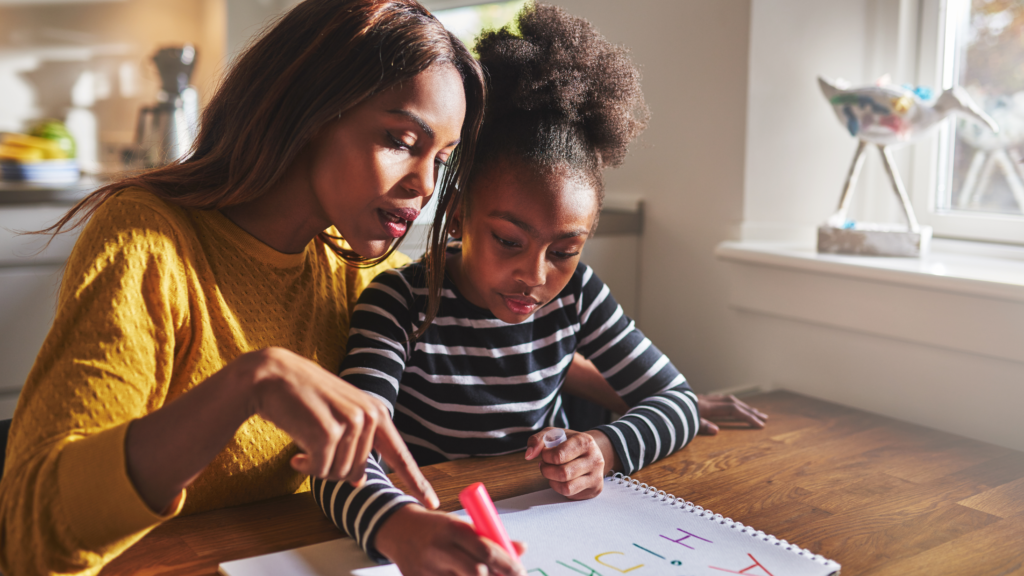
Alright, it’s that time again—the summer’s winding down, Target is packed with families on a mission, and our social media feeds are about to be flooded with first-day-of-school pics. (You know the ones. Backpacks bigger than the kids, grinning faces, and the “Can you believe they’re in 3rd grade already?!” captions.)