
Mother’s Day Pressure: Why This Holiday Hits So Hard
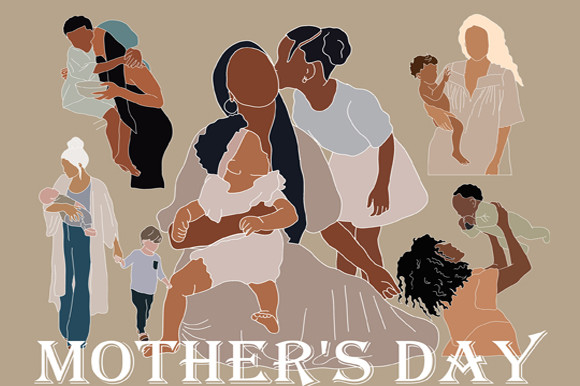
by Autumn Colon Mother wounds, grief, and the emotional weight many women carry into Mother’s Day Mother’s Day has a way of finding tender places. Even before the actual day arrives, something begins to shift. The advertisements start. The flower promotions. The matching pajama photos. The captions about unconditional love and gratitude. And quietly, for many women, something tightens in the chest. Because Mother’s Day doesn’t just ask us to celebrate motherhood. It asks us to confront our relationship with it. The ways we’ve experienced it, longed for it, struggled within it, grieved through it, or tried desperately to survive it. As I’ve gotten older, I’ve noticed that holidays often act as emotional mirrors. They reflect the things we haven’t fully made sense of yet. And Mother’s Day tends to hold many layers at once: love, grief, resentment, longing, guilt, tenderness, pressure. Sometimes all in the same breath. And while Mother’s Day is often marketed as a celebration, for many women it can feel more like a mirror, reflecting back relationships, losses, expectations, and identities that feel far more complicated than a greeting card can hold. Because this holiday doesn’t just touch mothers. It touches daughters. Women grieving mothers. Women grieving children. Women longing to become mothers. Women questioning whether they want motherhood at all. Women carrying the quiet pressure of a world that still often treats motherhood as the defining measure of womanhood. And that emotional weight can surface in deeply personal ways. I’ve sat with mothers who spent the day surrounded by family yet felt deeply alone. Women grieving mothers who are still alive, but emotionally unreachable. Daughters trying to force closeness where there has only ever been distance. Mothers quietly overstimulated and emotionally exhausted while still trying to make the day beautiful for everyone else. Grief, gratitude, belonging, longing; the holiday has a way of bubbling it all to the surface. The Quiet Performance of Motherhood One of the hardest things about Mother’s Day is the expectation attached to it. There’s an unspoken script many women feel pressured to follow. Be grateful. Be fulfilled. Be present. Enjoy every moment. Don’t make it complicated. But motherhood is complicated (trust me; I’m in the trenches with you). You can love your children with your whole heart and still feel overwhelmed by the constant emotional labor of caring for everyone else. You can feel grateful and exhausted. Needed and invisible. Deeply connected and completely disconnected from yourself at the same time. That contradiction doesn’t make you ungrateful. It makes you human. I think many mothers quietly spend Mother’s Day trying to convince themselves they should feel differently than they actually do. And that emotional performance can be exhausting. When the Mother Wound Shows Up For some women, Mother’s Day doesn’t just bring up motherhood. It brings up the ache of being mothered. The relationship with your mother may have been loving, inconsistent, critical, emotionally distant, or difficult in ways that are hard to explain to people who only see the surface. This is often where the mother wound quietly rises to the surface. Not always dramatically. Sometimes it shows up subtly. A heavy feeling while scrolling social media. Irritability you can’t place. The dread of making a phone call you don’t emotionally have the capacity for. Buying a card that doesn’t fully reflect the relationship you actually have. The grief of realizing you’re still longing for something you may never fully receive. I’ve worked with women who feel guilty for needing distance from their mothers while simultaneously grieving the closeness they wish existed. Women who became caretakers emotionally long before they were ever cared for themselves. Mother’s Day can intensify those contradictions. Because this holiday often centers on the idea that mother-daughter relationships are naturally soft, nurturing, and uncomplicated. And for many women, that simply hasn’t been their reality. The Women Mother’s Day Leaves Out One of the hardest things about Mother’s Day is how narrowly womanhood is often framed within it. The holiday tends to center one version of femininity: nurturing, fulfilled, maternal, and celebrated. And for women whose experiences fall outside of that narrative, the day can feel quietly alienating. I think about the women who wanted children and could not have them. Women grieving miscarriages no one fully acknowledged. Women navigating infertility while surrounded by celebration. Mothers grieving children they’ve lost. Women estranged from their children. Women who chose not to become mothers and still feel the weight of society asking them to explain why. And I think about how many women spend this holiday questioning themselves in silence. Because beneath Mother’s Day is often a deeper cultural message: that motherhood is what completes a woman. That nurturing should come naturally. That fulfillment should live here. But womanhood has always been more expansive than one role, one path, or one story. As a therapist, I’ve seen how much shame women carry when their experiences don’t align with the version of motherhood the world celebrates most comfortably. And I think many women need permission to understand that grief, relief, ambivalence, longing, peace, sadness, or uncertainty can all coexist here too. No one should have to perform belonging on a day that already feels emotionally loaded. You Don’t Have to Perform This Holiday This Mother’s Day, I encourage women to pay attention to what they need emotionally instead of focusing only on what’s expected of them. For some women, that means creating space for celebration and connection. For others, it means allowing the day to be quieter, slower, or more protected. When I sit with women around Mother’s Day, I encourage them to make meaning of their own personal connection with womanhood, motherhood, mothering, and identity. Sometimes we talk about boundaries. Sometimes we talk about grief. Sometimes we talk about disappointment, guilt, resentment, or exhaustion that has gone unnamed for too long. And sometimes, the work is simply giving yourself permission to stop pretending the day feels easier than it does. I think many women carry an invisible pressure to make everyone else comfortable with their emotional experience. To soften it. To explain it away. To minimize what hurts. But you do not have to abandon yourself to make a holiday feel more palatable for other people. Sit with this…you are allowed to move through Mother’s Day honestly (period). That honesty may look like stepping away from certain conversations. It may look like grieving. It may look like letting yourself enjoy parts of the day without forcing joy into all of it. It may look