
When Your Nervous System Is Stuck in “Go Mode”

Why your body can’t downshift and how to recover from chronic stress by Autumn Colon There’s a moment that happens for many people at the end of the workday. The laptop closes. The last email gets sent. The meetings are over. And yet, your mind and body keep going. Your shoulders are still tight. Your mind is still making lists. You find yourself checking Slack without thinking. Dinner is happening, conversations are happening, life is happening, but a part of you is still mentally sitting at your desk. You tell yourself you’ll relax later. But then later comes, and relaxation never quite arrives. As a therapist, I hear versions of this story all the time. People come into session convinced they have a time management problem, a productivity problem, or a motivation problem. I can’t tell you how many times I hear “I hate my job” when what they’re often experiencing instead is chronic stress. This kind of stress quietly settles into your body after months or years of carrying too much for too long. You might even find that it becomes so familiar you stop noticing it’s there. When Stress Stops Being Temporary Stress isn’t inherently bad. Our bodies are designed to respond to challenges. A stressful presentation. A difficult conversation. A looming deadline. The nervous system activates, helps us respond, and then ideally settles once the situation passes. The problem is that many of us are no longer living in a world where the stressors don’t leave. Instead, the demands keep coming. I’ve noticed that many high-achieving people live with an unspoken belief that life will calm down once they get through the next thing. The next project. The next quarter. The next promotion. The next deadline. But then the next thing arrives, and eventually, your body stops waiting for relief because it no longer expects it. What started as a temporary response becomes a permanent state. When Being Busy Becomes Part of Your Identity One of the reasons chronic stress can be difficult to recognize is because our culture rewards it. The busy person is often seen as the successful person. The exhausted person is often seen as the dedicated one. The person who never stops is often praised for their work ethic. And for black women, our ability to keep going without complaint is praised as strong, resilient, and the one everyone can depend on. Over time, busyness can become more than a schedule. It can become part of how we understand ourselves. I’ve sat with professionals who feel guilty when they’re not working. Parents who struggle to rest because someone always needs something. Leaders who feel responsible for holding everything together. Many of them don’t realize they’re exhausted because they’ve spent years functioning inside exhaustion. But let me ask you this: When your nervous system spends enough time in survival mode, what happens? For many, peace can start to feel unfamiliar. What “Go Mode” Actually Feels Like People often imagine chronic stress as panic, overwhelm, or emotional breakdowns and yes, sometimes it does look like that. More often, however, it looks surprisingly ordinary. Including you. Your Body Remembers What Your Mind Tries to Push Through One of the things I explain to clients is that the nervous system doesn’t care whether stress comes from something exciting, meaningful, difficult, or painful. It simply responds to load. And many people are carrying an extraordinary amount of it. Between work demands, financial pressures, caregiving responsibilities, family obligations, and the constant stream of information we consume every day. The nervous system keeps track of all of it and over time, our bodies begin adapting to that load. This is often why people find themselves feeling anxious when nothing is technically wrong. Or exhausted after a vacation they thought would fix everything. Or emotional over something that seems small. The reaction isn’t coming out of nowhere.Your body has been responding to the accumulation of stress long after your mind learned how to power through it. While you were meeting deadlines, showing up for others, and getting through the day, your nervous system was still doing its job, paying attention, adapting, and trying to protect you. Sometimes what feels like an overreaction is actually a sign that your system has been carrying more than it has had the chance to process. What I Tell Clients About Chronic Stress When people come into therapy feeling stuck in go mode, we rarely start with productivity strategies. We start by getting curious. What has your body been trying to tell you? What expectations are you carrying that no longer serve you? What would happen if you stopped treating exhaustion as something to overcome and started treating it as information? In my work, I’ve found that chronic stress is rarely just about workload. It’s often connected to deeper beliefs about worth, responsibility, success, and what it means to be enough. Many people have spent years believing they have to earn rest. That slowing down is falling behind. That taking care of themselves is something they’ll get around to once everything else is done. But there will always be another task, email, or demand. What Recovery Actually Looks Like When people think about recovery, they often imagine something dramatic. Recovery begins when we stop waiting for permission to care for ourselves and start recognizing that our nervous systems need care just as much as our calendars need attention. Healing our nervous system recovery can happen in small ways. It happens when you stop treating every moment like it needs to be optimized. When you eat lunch without multitasking. When you step outside between meetings and actually notice the air. When you allow yourself to finish one task before immediately reaching for the next. When you create moments in your day where nothing is being asked of you. The goal is to give your body evidence that safety, rest, and recovery still exist. A Final Thought If you’ve been feeling exhausted, disconnected, irritable, overwhelmed, or unable to truly relax, I want you to know that your body is not working against you. Chronic stress has a way of convincing us that the answer is to push harder. But sometimes the bravest thing we can do is acknowledge that we’re tired. Not failing. Tired. And tiredness isn’t something to judge. It’s something we listen to. These are the conversations I find myself having often, both in therapy and in my own life. In a culture that celebrates constant movement, choosing to slow down can feel countercultural. But our nervous
Motivation Crash: When Teens Stop Caring After a Stressful School Year

Understanding teen burnout, emotional shutdown, and how parents can respond without turning into the world’s least favorite motivational speaker. by Tiffanie Brown, LCSW If you are the parent of a teenager, you may have noticed something different and often frustrating as the school year comes to an end. Your teen spent months stressing over assignments, tests, college applications, friend drama, sports schedules, and waking up before any human should reasonably be expected to function. Then summer arrives and instead of relief, you are met with a teenager who appears to have merged with the couch and their phone. The teen who once cared about grades suddenly shrugs at everything. The teen who used to take part now responds with one-word answers. The teen who was anxious about school now seems completely indifferent. As a parent, this can be frustrating and concerning. You might find yourself wondering: “Why don’t they care anymore?” “Are they becoming lazy?” “Do I need to push them harder?” Before you start preparing a lecture about responsibility, let’s talk about something many families miss: What looks like laziness is often teen burnout. I specialize in helping adolescents, young adults, and families understand the connection between emotions, behavior, trauma, and mental health. One of the most common concerns I hear from parents at the end of the school year is, “My child has completely lost motivation.” The good news is that motivation often isn’t the problem. The real issue is usually exhaustion. The Hidden Cost of Being a Teen Today Teenagers today are carrying far more stress than many adults realize. Most teens spend their days juggling academics, extracurricular activities, social pressures, family expectations, future planning, and the nonstop influence of social media. Even teens who appear calm on the outside may be managing significant internal stress. Think about your own life for a moment. Imagine working a demanding job for ten straight months. Every assignment is graded. Every mistake feels public. Every decision seems connected to your future success. Now imagine someone asking you to immediately become productive the second your vacation starts. You would cry or want to yell or both. So why do we expect this from teenagers? What Teen Burnout Actually Looks Like When people hear the word burnout, they often imagine someone who is overwhelmed and anxious. But teen burnouts can look very different. It often appears as: Parents often interpret these behaviors as defiance, laziness, or lack of discipline. Many burned out teens have reached a point where their emotional and mental resources are depleted. Their brains are essentially saying: “I cannot carry one more thing right now.” Why Lectures Usually Make It Worse When parents see declining motivation, their natural instinct is often to increase pressure. More reminders. More consequences. More conversations that begin with: “When I was your age…” The problem is that burnout is not usually solved through pressure. Imagine trying to motivate someone with a sprained ankle by yelling at them to run faster. The issue is not effort. The issue is capacity. When teens feel overwhelmed, criticism often increases shame rather than motivation. Instead of hearing, “I believe in you.” They hear, “You are disappointing me.” And there here comes shame. Shame rarely creates sustainable change. What Your Teen May Not Be Saying Many teens struggle to identify or communicate their emotional experiences. When asked what is wrong, parents often receive responses such as: “I don’t know.” “I’m fine.” “Nothing.” As frustrating as this can be, these responses are often genuine. Many teens are not intentionally hiding their feelings. They simply have not developed the language to understand what is happening internally. Underneath the shutdown, you often find: What appears to be a motivation problem may actually be an emotional problem. How Parents Can Respond Differently The goal is not to eliminate expectations. The goal is to create enough emotional safety for your teen to reengage. 1. Get Curious Before Getting Corrective Instead of asking: “Why aren’t you doing anything?” Try: “You seem really exhausted lately. What’s this school year been like for you?” Remember, curiosity creates connection, and judgment creates defensiveness. 2. Validate Before Problem Solving Many parents rush straight into solutions, but teens often need validation first. You can say: “This year seemed really stressful.” “I can see you’ve been carrying a lot.” “It makes sense that you’re tired.” Validation does not mean you agree with every behavior; it just means you acknowledge the experience. 3. Help Them Recover Burnout requires recovery. Remember, recovery is not the same thing as avoidance. You need to encourage activities that genuinely replenish energy such as: Oh, and contrary to trendy belief, staring at TikTok for eight hours is not always restorative. I can see the eye roll….and know some teens may strongly disagree with me on this point. But that doesn’t make it any less true. 4. Focus on Small Wins When motivation is low, large goals can feel impossible. Instead of expecting your teen to tackle everything at once, help them name one small, manageable task. This can include: Remember, small successes help rebuild confidence and momentum. 5. Watch for Signs of Something More Serious Sometimes burnout overlaps depression, anxiety, ADHD, or trauma related stress. Consider seeking help from a therapist if you notice these behaviors: Sometimes what appears to be a motivation issue is actually a mental health concern that needs attention and support, not a lecture. Action Steps for Parents This Week If your teen seems checked out after the school year, try these five steps: Remember, motivation often returns after recovery. The body needs to recover. Burnout requires compassion from you before correction. The Bigger Picture Many parents worry that a lack of motivation means their teen is falling behind, but temporary shutdown does not mean permanent failure. In fact, learning how to recognize stress, rest appropriately, and recover from burnout is an important life skill. The goal is NOT to raise teenagers who can endlessly push through exhaustion. That is a trauma response. The goal is to raise young adults who understand their limits, care for their mental health, and know how to get back up when life becomes overwhelming. Sometimes the most powerful thing a parent can say is: “You have worked hard all year. Let’s figure out what you need right now.” That conversation often opens doors that lectures never will. Ready for Additional Support? At Renewed Focus Psychology Services, we specialize in helping adolescents, young adults, and families navigate anxiety, depression, trauma, ADHD, attachment challenges, emotional regulation, and life transitions. If your teen is struggling with burnout, motivation, school stress, or emotional overwhelm, you do not have to navigate it alone. Our goal is to help teens better understand themselves while providing
Why Nothing Feels Good Anymore: The Hidden Symptom of High-Functioning Depression

By: Melissa “Dr. Mel” Robinson-Brown, Ph.D. Founder, CEO, Licensed Clinical Psychologist Renewed Focus “I should be happy.” It’s one of the most common phrases I hear from high-achieving women. And honestly? I get excited cause I love slaying a “should!” It’s one of my favorite challenges. Because the minute someone says, “I should be happy,” I know we’re about to get to work and uncover something important. The promotion came. The kids are doing well. The relationship is solid. The bills are paid. You finally took the vacation. You checked the boxes. And yet… Something feels off. Not terrible. Not catastrophic. Just…off. You don’t necessarily feel sad. You’re still getting up, going to work, taking care of your responsibilities, and showing up for the people you love. Because that’s what you do. It’s almost like muscle memory. But somewhere along the way, life stopped feeling enjoyable. The things that used to light you up don’t hit the same. The accomplishments you’ve worked so hard for feel strangely underwhelming. Even the things you were looking forward to don’t bring the excitement they once did. You find yourself wondering: “What is wrong with me?” Well let’s talk about some answers that might help Depression Doesn’t Always Look Like Sadness Most people think depression looks like crying all day, staying in bed, and struggling to function. Sometimes it does. But that’s not the only way depression shows up. In fact, many people experiencing high-functioning depression are still performing at a very high level. They’re leading teams. Running businesses. Parenting children. Taking care of aging parents. Showing up for everyone around them. From the outside, they look successful. Inside, they feel like they’re drowning. They’re exhausted, disconnected, and quietly struggling. One of the reasons high-functioning depression often goes unnoticed is because people are looking for sadness and missing one of the most important symptoms: Anhedonia. Let’s Talk About Anhedonia Anhedonia is the reduced ability to experience pleasure, joy, excitement, interest, or satisfaction. In plain English? Nothing feels as good as it used to. The concert you couldn’t wait to attend feels okay. The vacation you’ve been planning for months is nice, but not amazing. The promotion you’ve worked years to earn comes with a quick smile and then…nothing. You know intellectually that these things matter. But emotionally, you can’t seem to access the excitement. Many women describe it as feeling numb, disconnected, or flat. Not miserable. Not devastated. Just emotionally beige. And because you’re still functioning, you may not realize this could actually be a sign of depression. High-Achieving Women Often Miss the Signs Here’s where it gets tricky. Many of the women I work with have spent years being rewarded for pushing through. They’ve learned to: Keep going when they’re exhausted. Take care of everyone else first. Ignore their own needs. Stay productive no matter how they feel. So, when joy starts disappearing, they don’t see it as a warning sign. They see it as adulthood. As a thing that will return eventually. They assume this is what happens when you’re busy. When you’re successful. When you’re a parent. When you’re responsible. They tell themselves: “This is just life.” But what if it isn’t? What if you’ve become so accustomed to surviving that you’ve forgotten what it feels like to actually enjoy your life? The Difference Between Burnout and Depression This is where many people get stuck. Because yes, burnout can absolutely make you feel exhausted, detached, and disconnected. But burnout and depression aren’t always the same thing. Burnout is often tied to chronic stress and overwhelm. Depression tends to follow you even when the stressor is removed. A question worth asking yourself is: If someone handed you a fully paid two-week vacation tomorrow, would you have your bags packed like last week? Or would your reaction be: “I mean; I guess that’s ok.” That emotional flatness can sometimes be an important clue. Smiling Depression Is Real One of the reasons hidden depression can be difficult to recognize is because people experiencing it often look completely fine. They laugh. They show up. They perform. They get things done. Some are the strongest people in the room. The ones everyone else depends on. The ones who always seem to have it together. Which means nobody checks on them. And sometimes they don’t check on themselves either. Because if you’re still functioning, it’s easy to convince yourself you’re okay and that nagging underlying feeling is just because you’ve had a long day. The Cost of Living on Autopilot When anhedonia sticks around long enough, life can start to feel like one giant to-do list. Wake up. Handle responsibilities. Cross things off. Go to sleep. Repeat. You become incredibly efficient. But not necessarily fulfilled. You stop asking yourself what you want. What excites you. What energizes you. What brings you joy. You become so focused on managing life that you stop experiencing it. And that’s a painful way to live. Questions Worth Asking Yourself If any of this feels familiar, consider these questions: The answers may tell you more than you think. When to Seek Therapy You don’t have to wait until you’re falling apart. You don’t have to hit rock bottom. And you don’t need permission. If you’re noticing emotional numbness, loss of joy, chronic exhaustion, or a growing sense that you’re simply going through the motions, it may be time to take a closer look. Therapy can help you understand what’s underneath the numbness, reconnect with yourself, and begin addressing the patterns that may be keeping you stuck in survival mode. Because life isn’t meant to be endured. It’s meant to be experienced. Final Thoughts If you’ve been “shoulding” on yourself and saying, “I should be happy,” I’d invite you to pause. Maybe the question isn’t whether you “should” be happy. Maybe the question is: When was the last time you truly felt alive? Because there is a difference between functioning and living. There is a difference between surviving and experiencing joy. And if nothing feels good anymore, that’s not something to ignore. That’s something worth paying attention to.
Mother’s Day Pressure: Why This Holiday Hits So Hard
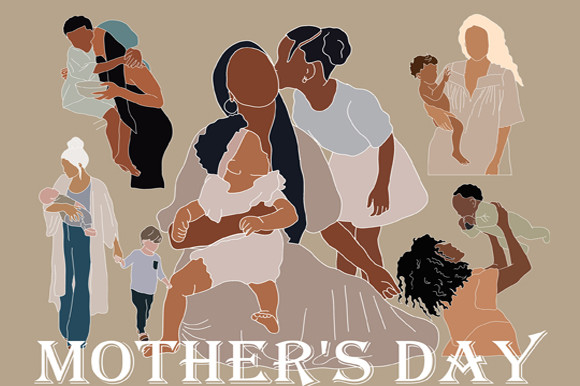
by Autumn Colon Mother wounds, grief, and the emotional weight many women carry into Mother’s Day Mother’s Day has a way of finding tender places. Even before the actual day arrives, something begins to shift. The advertisements start. The flower promotions. The matching pajama photos. The captions about unconditional love and gratitude. And quietly, for many women, something tightens in the chest. Because Mother’s Day doesn’t just ask us to celebrate motherhood. It asks us to confront our relationship with it. The ways we’ve experienced it, longed for it, struggled within it, grieved through it, or tried desperately to survive it. As I’ve gotten older, I’ve noticed that holidays often act as emotional mirrors. They reflect the things we haven’t fully made sense of yet. And Mother’s Day tends to hold many layers at once: love, grief, resentment, longing, guilt, tenderness, pressure. Sometimes all in the same breath. And while Mother’s Day is often marketed as a celebration, for many women it can feel more like a mirror, reflecting back relationships, losses, expectations, and identities that feel far more complicated than a greeting card can hold. Because this holiday doesn’t just touch mothers. It touches daughters. Women grieving mothers. Women grieving children. Women longing to become mothers. Women questioning whether they want motherhood at all. Women carrying the quiet pressure of a world that still often treats motherhood as the defining measure of womanhood. And that emotional weight can surface in deeply personal ways. I’ve sat with mothers who spent the day surrounded by family yet felt deeply alone. Women grieving mothers who are still alive, but emotionally unreachable. Daughters trying to force closeness where there has only ever been distance. Mothers quietly overstimulated and emotionally exhausted while still trying to make the day beautiful for everyone else. Grief, gratitude, belonging, longing; the holiday has a way of bubbling it all to the surface. The Quiet Performance of Motherhood One of the hardest things about Mother’s Day is the expectation attached to it. There’s an unspoken script many women feel pressured to follow. Be grateful. Be fulfilled. Be present. Enjoy every moment. Don’t make it complicated. But motherhood is complicated (trust me; I’m in the trenches with you). You can love your children with your whole heart and still feel overwhelmed by the constant emotional labor of caring for everyone else. You can feel grateful and exhausted. Needed and invisible. Deeply connected and completely disconnected from yourself at the same time. That contradiction doesn’t make you ungrateful. It makes you human. I think many mothers quietly spend Mother’s Day trying to convince themselves they should feel differently than they actually do. And that emotional performance can be exhausting. When the Mother Wound Shows Up For some women, Mother’s Day doesn’t just bring up motherhood. It brings up the ache of being mothered. The relationship with your mother may have been loving, inconsistent, critical, emotionally distant, or difficult in ways that are hard to explain to people who only see the surface. This is often where the mother wound quietly rises to the surface. Not always dramatically. Sometimes it shows up subtly. A heavy feeling while scrolling social media. Irritability you can’t place. The dread of making a phone call you don’t emotionally have the capacity for. Buying a card that doesn’t fully reflect the relationship you actually have. The grief of realizing you’re still longing for something you may never fully receive. I’ve worked with women who feel guilty for needing distance from their mothers while simultaneously grieving the closeness they wish existed. Women who became caretakers emotionally long before they were ever cared for themselves. Mother’s Day can intensify those contradictions. Because this holiday often centers on the idea that mother-daughter relationships are naturally soft, nurturing, and uncomplicated. And for many women, that simply hasn’t been their reality. The Women Mother’s Day Leaves Out One of the hardest things about Mother’s Day is how narrowly womanhood is often framed within it. The holiday tends to center one version of femininity: nurturing, fulfilled, maternal, and celebrated. And for women whose experiences fall outside of that narrative, the day can feel quietly alienating. I think about the women who wanted children and could not have them. Women grieving miscarriages no one fully acknowledged. Women navigating infertility while surrounded by celebration. Mothers grieving children they’ve lost. Women estranged from their children. Women who chose not to become mothers and still feel the weight of society asking them to explain why. And I think about how many women spend this holiday questioning themselves in silence. Because beneath Mother’s Day is often a deeper cultural message: that motherhood is what completes a woman. That nurturing should come naturally. That fulfillment should live here. But womanhood has always been more expansive than one role, one path, or one story. As a therapist, I’ve seen how much shame women carry when their experiences don’t align with the version of motherhood the world celebrates most comfortably. And I think many women need permission to understand that grief, relief, ambivalence, longing, peace, sadness, or uncertainty can all coexist here too. No one should have to perform belonging on a day that already feels emotionally loaded. You Don’t Have to Perform This Holiday This Mother’s Day, I encourage women to pay attention to what they need emotionally instead of focusing only on what’s expected of them. For some women, that means creating space for celebration and connection. For others, it means allowing the day to be quieter, slower, or more protected. When I sit with women around Mother’s Day, I encourage them to make meaning of their own personal connection with womanhood, motherhood, mothering, and identity. Sometimes we talk about boundaries. Sometimes we talk about grief. Sometimes we talk about disappointment, guilt, resentment, or exhaustion that has gone unnamed for too long. And sometimes, the work is simply giving yourself permission to stop pretending the day feels easier than it does. I think many women carry an invisible pressure to make everyone else comfortable with their emotional experience. To soften it. To explain it away. To minimize what hurts. But you do not have to abandon yourself to make a holiday feel more palatable for other people. Sit with this…you are allowed to move through Mother’s Day honestly (period). That honesty may look like stepping away from certain conversations. It may look like grieving. It may look like letting yourself enjoy parts of the day without forcing joy into all of it. It may look
The Spring to Summer Identity Shift – Why you Feel the Urge to Reinvent Yourself

by Tiffanie Brown, LCSW There’s a very specific kind of energy or…delusion that arrives the moment the weather hits 75 degrees. You step outside after months of no sun, gray skies, snowstorms, and suddenly decide you’re going to Just in time for the yearly family BBQ. All because the sun came out. And honestly? I support it. But beneath the humor, there’s actually something psychologically significant happening during the transition of seasons. Let me explain. Many people experience an emotional shift from spring into summer that feels deeply personal and hard to explain. You may notice yourself feeling restless, emotionally sensitive, dissatisfied, AND more hopeful, impulsive, reflective, or suddenly aware of the things that urk your nerve. This doesn’t necessarily mean you’re unstable or “doing too much.” It may just mean your environment is activating a deeper internal shift. At Renewed Focus Psychology Services, I often work with women who feel confused by this emotional transition. They come into therapy saying things like: And many times, these feelings intensify during spring and summer because environmental change often sparks internal change. Biology confirms that the shift from winter to spring brings more sunlight, longer days, increased social activity, changes in routine which leads to increased stimulation, and more movement and visibility. Increased sunlight can impact mood, energy, and motivation. But emotionally, seasonal shifts also create change. Seasonal Awareness During the winter months, we tend to hibernate and are in survival mode. People tend to become more isolated, inward, routine-focused, and protective during colder months. We stay busy. We distract ourselves. We operate on autopilot. Many people don’t even realize how emotionally disconnected they’ve become until spring arrives and suddenly everything feels more exposed. Do you ever notice when you are driving home in the summer and you notice a building that suddenly appears. “When did they build that? Is that new? More light has a way of illuminating what we’ve been avoiding or perceived differently. For example, the relationship that feels emotionally draining; the burnout you normalized, the loneliness we buried under productivity, or the version of ourselves we no longer want to be. That’s why this season can feel emotionally intense. Not because something is wrong with you, but because growth often begins with awareness. Re-Invent Yourself One of the biggest misconceptions about personal growth is that transformation always looks dramatic. Social media has reinforced this with the 30 second transformation of video clips. (That is not real life!) People think identity shifts have to look like quitting your job, moving to another city, ending a relationship, or changing your appearance. And while sometimes external changes do happen, emotional transitions often begin much more quietly. Re-inventing yourself starts with becoming more honest about who you are already. And honey! That honesty can feel uncomfortable, but we need to be uncomfortable for growth and change. Especially if you’ve spent years surviving by over- functioning, people pleasing, being “the strong one”, prioritizing everyone else’s needs tying your worth to productivity, or shrinking yourself to maintain relationships. As you become more aware of these behaviors, you may notice some resistance and restlessness. That “restlessness or identity itch” is a signal for change. “The Identity Itch” It’s the subtle but persistent feeling that your current life no longer reflects the person you’re becoming. You may not know exactly what needs to change yet. You just know something that feels misaligned and not allowing you to go where you need to go. How does this show up? And in therapy, I see this all the time. The identity shifts often happen internally long before your external life changes. So outwardly, things may appear “fine,” but internally, you feel disconnected from yourself. Social Media and Emotional Transitions Let’s go back to the role of social media. Spring and summer are seasons of visibility. We “outside!” Literally. People are outside more, post more, travel more, and celebrate more. Suddenly, everyone is entering their “soft girl era,” healing, and glowing with their damn Stanley cups! Social media creates the illusion that everyone else is thriving while you’re questioning your entire existence in a Target parking lot. Social comparison during seasonal transitions can intensify feelings of inadequacy and urgency. You may begin to feel pressure to “fix” yourself quickly or force a transformation that looks aesthetically pleasing online. Healing is not a performance. You do not need to record yourself crying to prove you are doing the work. Sometimes the healthiest thing you can do is stop treating your life like a rebranding project and start treating yourself like a human being. Emotional Transitions and Grief One thing people don’t talk about enough is that personal growth often involves grief. Think about how the leaves fall off the trees in the colder seasons, and it rains until the warmer months bring back blooming flowers and trees. Every new version of you requires letting go of an old one. That old version may have been: And even if those patterns exhausted you, they also protected you. So, when you begin changing, there can be sadness, fear, resistance, and confusion. Part of you may desperately want peace while another part fears what life will look like without familiar coping mechanisms. This is why emotional transitions can feel messy. You are not just creating something new; you are grieving what helped you survive. Ok…if you are in a target parking lot, I hope you grabbed a Starbucks latte. Reinvent with Intention The goal is NOT to impulsively reinvent your entire life because the weather has improved. The goal is to actually become curious about what this season may be revealing to you. Here are some ways to approach this period with more self-awareness and emotional grounding. Pay Attention Your emotions are data. What has been draining you lately? What feels performative? What feels forced? Where do you notice resentment building? Many people ignore emotional discomfort until their body begins screaming for change through anxiety, exhaustion, irritability, or shutdown. Instead of immediately judging your feelings, try listening to them. Sometimes the urge to reinvent yourself is really your body asking for honesty. Stop Romanticizing Growth looks like resting consistently, setting one boundary, responding instead of reacting, saying no without guilt, asking for help, being emotionally honest, or literally just slowing down enough to hear yourself think Reconnect with your Body For my high-functioning folx who live almost entirely in their heads. My over-thinkers, analyzers, intellectualizers, and problem solvers – you are burned out. Your body often recognizes burnout, disconnection, or misalignment before your mind fully processes it. Healing is physiological, not just cognitive. Let’s try: Reflective Questions Instead of asking “Who should I become?” Try asking: Permission to Evolve Quietly Not every stage of growth needs an announcement. Some of the healthiest identity development happens privately. You do not need to prove that you are healing online. You do not need to explain every boundary. Growth looks like becoming less accessible to chaos. Quietly. Consistently. And without a fanbase. So… Before rushing to “reinvent yourself” this spring or summer, slow down and reflect honestly. Ask yourself: Write your answers down. Sit with them. Be honest without judgment. Because personal growth is not about becoming perfect. It’s about becoming more connected to yourself. At Renewed
The Invisible Workload of Women: Why You’re Tired in a Way Rest Doesn’t Fix

By: Melissa “Dr. Mel” Robinson-Brown, Ph.D. Founder, CEO, Senior Psychologist Renewed Focus Wednesday. 10:01 a.m. I had just wrapped a supervision meeting – the kind where you show up, pour into people, think, lead, hold space… all the things. But this time, I did it from home instead of commuting into NY city. And I was hype. Because in my mind, I had just “created space.” To do the thing that was my “me time.” 2-hour block. Workout clothes already on. Plan locked in: arms, Zone 2 cardio, then my walk. A whole vibe. And then… I just sat there. Staring at the workout I was genuinely excited about. And my brain said: “Girl… we don’t wanna.” Not playful. Not negotiable. Heavy. And I paused. Because physically? I had slept. Mentally? I felt like I was dragging something I couldn’t see. And something became pretty apparent at that point: This wasn’t physical fatigue. This was mental load. This was emotional labor. This was burnout in women that doesn’t show up on a sleep tracker. This is the kind of tired rest doesn’t fix. You’re Not Just Busy — You’re Carrying an Invisible Workload We’ve normalized women being “busy.” But what we’re actually talking about is: See how none of this is tied to doing too much physically? And here’s the problem… Most of them are things you are just doing. On autopilot cause it’s what you do, so you may not classify it as “work” but it drains you like it is. You’re not just doing your job. You’re: And doing it so seamlessly that people assume: “She’s good.” Meanwhile your body is like: “We are running on fumes.” 😮💨 Emotional Labor: The Job You Never Applied For Emotional labor is the invisible role so many women are handed without consent. It looks like: And for high-achieving/high functioning women – especially Black women – this isn’t optional. It’s conditioning. It’s strategy. It’s survival. You’ve learned: Because the cost of not doing that? Too high. Over time, that emotional labor becomes: 👉🏾 workplace stress 👉🏾 chronic stress symptoms 👉🏾 burnout in women that feels personal – but isn’t The Mental Load: Why Your Brain Won’t Shut Off Let’s talk about the mental load, because this one is relentless. It’s the running list in your head that never closes and gets louder when moments are too quiet 😳: Even when you’re sitting still… Your brain is still working. Even when you’re “resting” … You’re still tracking, planning, anticipating. So, when someone says: “Just rest.” You’re like… Rest from WHAT exactly? Because the job never clocks out. 😑 Why Work-Life Balance Feels Like a Setup I learned a long time ago that this concept is bullsh*t. Especially because “balance” looks different for everyone, and too many folks like to think about it as balancing the scales, but that’s really not it. And here’s the thing: That concept ignores the reality of women’s lives. Because it assumes: Meanwhile your reality looks like: So, when you feel: 👉🏾 overwhelmed at work 👉🏾 disconnected at home 👉🏾 exhausted no matter how much you sleep That’s usually not a time management problem. That’s a capacity problem. And your capacity has been stretched by responsibilities that were never evenly distributed. Burnout in Women Doesn’t Always Look Like Collapse We think burnout looks dramatic. Crying on the floor. Quitting your job. Falling apart. But the burnout I see every day with my clients? Looks like: Just… with less joy. And less patience Less interest Less energy Less YOU It’s quiet. And when someone asks you if something is wrong, The response sounds like: “I’m fine… I’m just tired.” But deep down you are starting to recognize: This isn’t regular tired. 😳 What Do We Actually Do About It? I’m not about to tell you to take a bubble bath and call it healing. 🙄 Not because those things don’t feel amazing…girl I love a good shower steamer and it is absolutely part of my routine. But trust me when I say, this will not help you in situations like this. This level of exhaustion requires something deeper. 1. Name the Weight You’re not “just busy.” You’re carrying: Call it what it is so you can stop minimizing it. And give it credit. 💅🏾 Emotional labor is sometimes heavier than physical labor! 2. Audit What You’re Carrying That Isn’t Yours Ask yourself: 👉🏾 What am I managing that no one asked me to? 👉🏾 What am I anticipating that others could handle? 👉🏾Where am I overfunctioning because it feels easier than letting things drop? 👉🏾 What am I trying to prevent from happening that I need to just let play out? 👀 Because just because you CAN carry it… doesn’t mean you should. 3. Redistribute the Weight This is the uncomfortable part. And I know it not only from firsthand experience but also from listening to hundreds of women tell me that it’s HARD to let things go. It requires: And if your identity is tied to being the one who holds it all together? That’s where the real work is. Because a lot of high achieving/high functioning women don’t struggle with boundaries because they don’t know how… They struggle because: “Who am I if I’m not the one everyone depends on?” Do me a favor…and let that really sink in. Who TF are you if you’re not the one everyone depends? Requires some identity exploration and shifting right?!?!? 4. Redefine Stress Management for Women Real stress management for women is not about doing more. It’s about: Because if everything falls apart when you stop… Congratulations! You’ve built a system dependent on your overfunctioning. 😳 Let Me Leave You with This…. That moment I had on Wednesday? Wasn’t about the workout. It was my body saying: “You’ve been carrying too much for too long and I need you to take a break.” And I’m grateful…cause I listened to my body. I took a leisurely walk with fabulous sounds in my ear that calmed my nervous system and got me ready for my client day…and I didn’t feel not no guilt about it. (Shoutout to Air by Gautier Capuçon cause it’s been giving me life lately!) And a lot of you are right there. You’re not lazy. You’re not unmotivated. You’re not off your game. You’re overloaded. And until we stop calling this “just life” and start calling it what it is… We’re going to keep trying to fix exhaustion with rest— when the real solution is: 👉🏾 putting some of that weight down Real Talk Question What’s one thing you’re carrying right now… that doesn’t actually belong to you? Start there. Need help on this journey, give us a shout! We’re accepting new clients and we love doing this work with you!
Anxiety: How to Self Soothe Beyond Deep Breathing

by Tiffanie Brown, LCSW If you have been anywhere near TikTok or a radio in 2025, then you have heard Doechii’s song Anxiety; and if you haven’t, please go listen right now. The Grammy-winning rapper describes anxiety as something that “keeps trying her; quietly working to silence her; sitting on her chest like a weight and she can’t shake it off.” And the reason that song hits so hard for so many of us? Because she put into words what a lot of us have been feeling but couldn’t quite name. Anxiety isn’t always loud. Sometimes it’s that low hum in the background of your life, the thing that keeps you up at 2 a.m., the tightness in your chest before a big meeting, the feeling that somebody is always watching and judging. Doechii wasn’t just making a song. She was describing what it feels like to be a Black woman navigating the world with anxiety riding shotgun. And that’s exactly what we’re here to talk about today. How to move anxiety out of the damn drivers’ seat! You’ve probably Googled “how to calm anxiety” at least once. And what did you find? Deep breathing. Mindfulness meditation. Maybe a guided body scan. And while those things can work, let’s be honest; they don’t always cut it. Now don’t come for me! I am not bashing breathe work, but sometimes you are too activated to sit still. Sometimes breathing deeply feels impossible when your chest is already tight. And sometimes you just need something that actually meets you where you are. If you are nodding yes, then this post is for you. The Superwoman – who is doing all the things, holding it all together, and still wondering why anxiety keeps showing up uninvited. I work with women of color who are ready to stop just surviving and start living authentically, and in alignment with who they truly are. If anxiety has been running the show and you’re ready to take your power back, I’d love to walk alongside you. What I often hear in my therapy sessions is “I am here because nobody has time for anxiety to be interrupting my life.” Heard! So, I am going to go deeper than the typical advice. We’re going to talk about what anxiety actually looks like in your body, how your nervous system is working behind the scenes, and the more subtle, but incredibly powerful self-soothing techniques that no one really talks about. Anxiety Is Not Always What You Think It Looks Like When most people think of anxiety, they picture panic attacks or constant worrying. But anxiety can be sneaky. It shows up in ways that are so woven into your daily life that you might not even recognize it as anxiety at all. Do any of these sound familiar? These are all signs that your nervous system is working overtime. And sis, that is exhausting. What’s Actually Happening in Your Nervous System Ever heard someone say you are dysregulated? Well, here is where we get into the good stuff, nervous system regulation. Your autonomic nervous system has two main modes: the sympathetic nervous system (your fight-or-flight response) and the parasympathetic nervous system (your rest-and-digest state). When anxiety hits, your body defaults to fight-or-flight. In fight or flight, cortisol spikes, your heart rate increases, your digestion slows, and your brain becomes laser-focused on perceived threats. Here’s the part that doesn’t get talked about enough: for many women of color, that fight-or-flight system is chronically activated. Not because something is “wrong” with you, but because navigating racism, microaggressions, hypervisibility, and the constant pressure to perform can keep your nervous system in a near-constant state of low-grade stress. And over time, living in low grade stress will come at a cost. Emotional regulation isn’t just about managing your feelings in the moment. It’s about training your nervous system to return to safety, and that requires more than a breathing exercise. So, Let’s slow down and look at how anxiety might be running your life without you even realizing it. In your body: Jaw clenching, especially at night. Shoulders that live up by your ears. Shallow breathing that you don’t notice until someone points it out. A stomach that is often upset. Tension headaches that come out of nowhere. These are your body’s anxiety signals. I like to refer to this as the “whispers” before the shout. In your behavior: Procrastination that’s actually avoidance. Over-explaining yourself in emails. Checking your phone compulsively. Overcommitting and then dreading everything on your calendar. Difficulty making decisions, even small ones, because your nervous system is already maxed out. In your relationships: Difficulty receiving care. Staying in situations longer than you should because conflict feels unbearable. People-pleasing as a survival strategy. Disconnecting emotionally before someone can leave you. In your thinking: Catastrophizing. Assuming the worst before the outcome is known. Difficulty being present because your mind is always running three steps ahead or stuck three steps behind. Recognizing these patterns is not about diagnosing yourself. It’s about developing a compassionate awareness of how anxiety is showing up, so you can meet it with something that works. 10 Grounding Techniques for Anxiety That Go Beyond the Basics Grounding techniques for anxiety are tools that help bring you back into your body and into the present moment. But let’s go beyond the typical advice. 1. Bilateral stimulation. This is a technique rooted in trauma therapy, and it works by alternately stimulating both sides of your body to help calm the nervous system. You can do this by tapping alternately on your knees, crossing your arms and tapping your shoulders, or even just walking, because the alternating motion of your feet is naturally bilateral. It sounds simple, but your brain responds to it in a meaningful way. 2. Humming or singing. Your vagus nerve, the key player in nervous system regulation, runs through your throat. Humming, singing, or even chanting activates the vagus nerve and sends a signal to your brain that you are safe. This is why many spiritual and cultural practices include singing as a communal healing tool. Maybe your ancestors knew a little something-something. 3. Cool water on your face or wrists. Splashing cold water on your face or holding your wrists under cool running water activates what’s called the dive reflex, which slows your heart rate almost immediately. This is a quick, accessible form of anxiety relief that you can do anywhere. 4. Orienting. This is one of the most underrated self-soothing techniques available. Slowly look around the room and let your eyes land on five different objects. Don’t rush. Let your gaze soften and settle. This simple act tells your nervous system that you are here, in a real space, and that there is no immediate threat. It interrupts the anxiety loop and brings you back to the present. 5. Completing the stress cycle. This one is huge. Did you know when an animal in the wild escapes a predator, it shakes; literally trembling as a way of releasing the stress hormones from its body. Humans don’t do
Work Burnout: Snappy, Numb, and Checked Out 😒🖤

By: Melissa “Dr. Mel” Robinson-Brown | Licensed Clinical Psychologist | Founder and CEO, Renewed Focus “Do you have time to chat? I think I’m about to lose my job. I said the thing to my boss 😳” That text? It came from a close girlfriend on a Thursday afternoon. It wasn’t dramatic. It wasn’t random. It was the last straw text. The kind that comes after weeks – sometimes months – of holding it together, pushing through, being “the strong one,” and quietly unraveling behind the scenes. And real talk? That text could’ve easily come from one of my clients. Or honestly – from any high-achieving woman who’s been white-knuckling her way through workplace stress, feeling overwhelmed at work, and still calling it “fine.” Let’s call this what it is: burnout isn’t always loud 🔥 Everybody thinks burnout looks like breakdowns, tears, and dramatic exits. Nah. Sometimes burnout symptoms look like: That’s not just “a busy season.” That’s emotional exhaustion, mental exhaustion, and a nervous system that’s had enough. And if nobody has said it yet – 👉🏾 You’re not the problem. The environment might be. The sneaky way workplace stress starts running your whole life 😤 Here’s where it gets real messy… Workplace stress doesn’t stay at work. It bleeds. You ever notice: That’s stress spillover. And now: 👉🏾 Work is affecting your relationships 👉🏾 Your relationships start feeling strained 👉🏾 You’re questioning your life, your relationships, yourself The reality? Things can feel this broken… Because you are beyond depleted. “I’m just tired” is doing too much heavy lifting 🥴 Let’s upgrade the language real quick. And I say this because I’ve been there. And I’ve seen so many clients say, “I’m just tired this week” …week after week after week. But here’s the thing… Yes, you are tired – but you think it’s just physical. You think if you just sleep more, you’ll be good. But then you sleep… and you still wake up dragging. We don’t always have the language for what’s actually happening. So, in my work, we decode it. “I’m tired” might actually mean: And if that’s true? Burnout is either on the way… or already living in your house. And if we don’t name it correctly, we can’t actually begin burnout recovery. Why high-achieving women hit this wall HARD 💼🔥 Let me talk to my overfunctioners for a second. And yeah – I’m talking to myself too You’re the one who: And slowly… that turns into: 👉🏾 More responsibility 👉🏾 Less support 👉🏾 Higher expectations 👉🏾 Zero room to fall apart So now you’re exhausted… …but also feel like you can’t slow down. That’s the trap. And at Renewed Focus, we call that conditioning – not capability. And let me get real with you for a second… This has been me. When my husband lost his job, everything shifted. I was already carrying a lot – but suddenly it felt like everything was on my back. Now, he absolutely shows up and supports – but that mental load? That doesn’t just transfer. Being the only income earner + holding everything together at home? That’s a perfect storm. I’ve had to be honest with myself that I’ve been in burnout since last fall. And here’s the truth… It happens to the best of us. But until we name it, we stay stuck in it. The core beliefs keeping you stuck in burnout 👀 This is the part people don’t want to talk about. Because burnout isn’t just about workload. It’s about what you believe about responsibility. Core beliefs like: That right there? That will keep you locked in burnout – even if your environment changes. So, what do you actually DO about it? 👀 Not the fluffy “take a bubble bath” advice. (And listen…love a good spa moment, but that’s not fixing chronic workplace stress.) I’m talking real burnout recovery tips that support actual work-life balance and strong work-life boundaries. 1. Check your numbness – not just your stress If you’re feeling disconnected, unmotivated, or emotionally flat… That’s not laziness. That’s your system saying: “We’ve been in survival mode too long.” Pause. Name it. Don’t override it. 2. Stop pretending your capacity is unlimited Just because you can… doesn’t mean you should. And those “shoulds”? They will keep you on that burnout hamster wheel. Start asking: 👉🏾 What is actually mine to carry? 👉🏾 What did I silently take on that I need to put down? 👉🏾 What do I need to allow others to hold for themselves? 👉🏾 How is my over-functioning blocking someone else’s growth? 3. Interrupt the spillover Before you walk into your house (or leave your home office) still carrying your workday… Pause. That’s how you start protecting your work-life boundaries. And if you need 5 minutes? Take it. Your kids will survive. Your partner can start dinner. Everything does not need you immediately. 4. Tell the truth about your job Not the polished version. The real one: Yeah… that one hits. 5. Get support before you blow it all up 💥 Because what do I see all the time? Women wait until they are DONE done. Like: 👉🏾 Rage quitting 👉🏾 Emotional shutdown 👉🏾 Burning bridges they didn’t actually want to burn There’s a middle space. But you can’t access it when you’re completely overwhelmed at work and running on fumes. Let’s land this ✨ If you’ve been: That’s not you failing. That’s burnout. That’s workplace stress catching up to you. And the goal isn’t just to cope better. The goal is to get your life back. Because you don’t get to be powerful at work… and completely depleted everywhere else. Nah. We not doing that. If this hit a nerve, don’t ignore it. That feeling? That’s your cue. And over here? We don’t just talk about it – we make moves 💅🏾🔥 At Renewed Focus, we meet you exactly where you are. And then we lovingly push you to do the work, so you’re making the shifts you need to make, and you can actually feel fulfilled – not just functional. Ready to do that work? Then… Let’s goooooooo!
After Survival Mode: How Couples Reconnect When Anxiety Has Taken Over

by Melanie Gibbons, LPC If April has you craving a “fresh start,” but your relationship feels more like “we’re barely holding it together,” welcome. You’re not alone. A lot of couples hit this point after a hard season and start quietly wondering, Are we okay? (Or more realistically, why am I irritated by the way you breathe right now?) Here’s the thing I want you to hear right away: if your relationship feels off, it does not automatically mean something is wrong with your love. Sometimes it means you’ve both been living in survival mode, and anxiety has been calling the shots. From where I sit, this is one of the most common patterns I see with couples. Couples aren’t falling apart because they don’t care. They’re disconnected because their nervous systems have been working overtime to get through life, and connection tends to be the first thing that gets sacrificed when we’re just trying to make it to bedtime. So, let’s talk about relationship anxiety, what survival mode looks like in real couples, and how to rebuild emotional connection without making it a big dramatic relationship overhaul. Small shifts can do a lot here. Feeling Disconnected Doesn’t Mean Your Relationship Is Failing Most couples don’t wake up one day and decide, “Let’s become distant roommates who manage a shared calendar.” It’s usually more like: Work got heavier. The kids needed more. Money got tight. Someone’s mental health has dipped. Sleep got worse. There was a family situation. A health scare. A demanding season that lasted longer than you expected. And slowly, but surely, you stop turning toward each other. Not intentionally. Just… gradually. Survival mode is what happens when your system prioritizes safety and function over closeness and ease. Your brain goes into “get through it” mode. Your body stays activated. And your relationship becomes another place where you’re trying to perform instead of rest. The goal isn’t to shame yourself for being here. The goal is to recognize the pattern, so you can shift it. What survival mode looks like in real couples Let’s make this painfully relatable. Survival mode in relationships often looks like: If you’re reading this and nodding, you’re not broken. Your nervous system is just tired. How anxiety shows up in relationships, without calling itself anxiety A lot of couples don’t label what’s happening as anxiety. They label it as “we’re just stressed” or “we’re not communicating” or “things feel off.” But anxiety has a way of showing up sideways in relationships. Not always as panic or worry. Sometimes anxiety shows up as: This is why relationship anxiety can be so confusing. One partner is seeking closeness because they feel uneasy. The other partner is pulling away because they feel overwhelmed. Both people are trying to feel safe. It just looks different. How couples reconnect after survival mode This is the part people want to skip to, so let’s get into it. Here are practical ways to rebuild emotional connection without expecting perfection. 1) Name the season, without blaming each other Try something like: “I think we’ve been in survival mode. I miss us.” That one sentence can soften the whole room. It shifts the focus from “you’re the problem” to “we’re in a hard season.” 2) Lower the bar for connection When couples are disconnected, they often think the fix must be big. A getaway. A long talk. A fancy date night. Sometimes the fix is small and consistent. Ten minutes on the couch with phones down. A quick check-in in the kitchen. A hug that lasts longer than two seconds. Small connection beats grand gestures when you’re rebuilding safety. 3) Create a daily micro-ritual Pick something that feels doable: The goal is not deep therapy talk every night. The goal is consistent proximity with presence. 4) Repair faster, not perfectly Repair is one of the biggest predictors of relationship health. It can be simple: You don’t need a speech. You need a return. 5) Ask for what you need in plain language This is hard for many people because anxiety can make needs feel like risks. But clear needs reduce guesswork. Try: This is where couples build emotional safety. When needs are named and met with care. 6) Protect rest like it’s sacred Sleep deprivation makes everything harder. Anxiety spikes. Patience drops. Conflict intensifies. Rest is not lazy. Rest is relationship maintenance. If one small change this month is earlier bedtime or fewer commitments, your relationship will feel it in a good way. A “Back to Us” check-in for couples (5 questions) If you want something simple to guide connection, try these once a week: These questions work because they shift the focus from fault to support. They help couples reconnect in a way that feels steady and doable. The point isn’t perfection. It’s safety. A lot of couples think reconnection requires a total transformation. It does not. It requires safety. It requires small moments of turning toward each other. It requires learning how to come back after you miss each other, because you will. If anxiety has taken over, it does not mean your relationship is doomed. It means your nervous systems are asking for support, structure, and gentleness. And the beautiful part is this: when couples start building emotional safety, communication becomes easier. Repair becomes faster. Intimacy feels more accessible. Not because life got perfect, but because your connection got steadier. What to do if this feels like you If you’re reading this and thinking, “Yep. We’ve been in survival mode,” let this be your reminder that you can come back from that. Slowly. Kindly. Without making it a whole thing. And if you want a little guidance figuring out what’s happening underneath the disconnection, couples therapy can help. You don’t need to wait until things are falling apart. Sometimes the best time to get support is when you still care and you just want to feel close again. If you’d like, you can book a consultation call. We’ll talk about what’s been going on, what you’ve tried, and what kind of support would make sense for you both. Because you deserve a relationship that feels like a safe place to land, not another place you have to perform.
Couples Who Never Fight: When “Keeping the Peace” Is Actually a Trauma Response

by Melanie Gibbons, LPC Why conflict avoidance can feel like love, but quietly create distance, and how couples can build safety without blowing up. Let’s start with a confession. When couples tell me, “We never fight,” part of me is like… aw, that’s cute. And another part of me, the trauma therapist part, gently leans forward like: “Okay. And . . . what does it cost you to keep it that way?” Because here’s the thing. Not fighting can mean you have great communication, strong repair skills, and mutual respect. But sometimes? “We never fight” is not a sign of peace. It is a sign of protection. It is a sign that somebody’s nervous system has learned, somewhere along the way, that conflict is dangerous. And when your body believes conflict is dangerous, you don’t “talk it out.” You avoid it, smooth it over, shut it down, or swallow it whole. That’s not a character flaw. That’s a trauma response. And yes, it can show up in couples who genuinely love each other. What I notice beneath the surface Most of the time, when I’m sitting with couples, we’re talking about the usual relationship stuff: communication, disconnection, intimacy, the same argument that keeps showing up in a different outfit. But I’m always paying attention to what’s happening underneath those moments. Because a lot of what looks like “personality” in a relationship is actually protection. A nervous system doing what it learned to do. A partner going quiet not because they don’t care, but because conflict feels unsafe. Someone staying agreeable because it keeps the connection intact, at least on the surface. That trauma layer matters. Not in a heavy, dig-up-your-life-story way, but in a very practical way. It helps couples stop moralizing their patterns and start understanding them, so they can respond differently and feel closer, not just calmer. So, let’s talk about it. Let’s talk about it in a way that’s real, not overly clinical, and does not make anyone feel like they need to unpack their entire childhood before finishing their coffee. What is a trauma response, really? When people hear “trauma response,” they often picture something dramatic or obvious. Panic attacks. Flashbacks. Big reactions. But trauma responses can be quiet. They can look like being “easygoing.” They can look like being “the chill one.” They can look like never bringing things up that bother you. A trauma response is simply the body’s learned way of staying safe when something feels threatening. Not “logical threat.” Nervous system threat. So, if you grew up around conflict that was explosive, shaming, unpredictable, or emotionally unsafe, your body may have learned: Conflict equals danger. Danger equals I need to protect myself. In adult relationships, that can turn into patterns like: Again, not because you’re broken. But because your body got really good at surviving. Why “we never fight” can be a red flag This is where couples get confused, because they are like: “Wait. Are you saying we should fight more?” No. I’m saying you should be able to tolerate normal conflict without your nervous system acting like it’s the apocalypse. Healthy couples have disagreements. They have mis attunements. They bump into each other’s stress, triggers, needs, and blind spots. The goal is not to “never fight.” The goal is: When couples never fight, it can sometimes mean: And the relationship starts to run on politeness instead of intimacy. Because intimacy requires truth. And truth sometimes includes tension. What “keeping the peace” looks like in real life Let’s make this painfully relatable. Keeping the peace can sound like: And it can look like: Keeping the peace is often a short-term strategy that helps you avoid discomfort now, but it creates disconnection later. It’s like putting your feelings in a storage unit. Eventually, it’s full. And then you’re paying emotional rent on stuff you never even use. How trauma shows up as conflict avoidance Here are a few common trauma-rooted reasons why couples avoid conflict. You might see yourself in one, your partner, or both. 1) “If I bring it up, I’ll be rejected.” This often shows up as people-pleasing, overexplaining, or staying quiet. The fear is not the argument. The fear is losing the relationship. 2) “If I upset you, something bad will happen.” If someone grew up in a home where anger meant emotional withdrawal, punishment, or chaos, their body may treat conflict like an emergency. 3) “My needs don’t matter.” This is the quieter trauma story. It can come from being dismissed, ignored, or told you were too sensitive. So, you learn to have no needs, or at least none you admit out loud. 4) “Conflict means I’m unsafe.” Some nervous systems equate conflict with danger. Not because the current partner is dangerous, but because the body remembers old experiences. 5) “I don’t know how to do conflict without it becoming ugly.” A lot of people did not grow up seeing healthy repair. They saw yelling, stonewalling, blame, or silence. So, as adults, they avoid conflict because they truly do not know what “healthy conflict” looks like. This is where a trauma lens matters in couples’ work. Because I am not just teaching communication skills. I’m helping couples build enough emotional safety that honesty does not feel like a threat. The sneaky downside of never fighting Here’s what tends to happen when couples avoid conflict long-term. Resentment quietly grows It starts small. Then it becomes a personality trait. One partner starts feeling like: “I do everything.” The other starts feeling like: “Nothing I do is enough.” And nobody says it out loud, because we are keeping the peace, remember? Emotional distance increases You can be kind and still feel alone. A couple can look fine to everyone else and feel completely disconnected behind closed doors. Explosions happen later, over something dumb If you never fight, eventually you will fight about something that makes no sense. The dishwasher. The tone. The look. The way they breathed or chew their food. It’s never about the dishwasher. It’s about the 47 conversations you didn’t feel safe enough to have. One or both partners start to numb out When you constantly suppress your truth, your body adapts. It disconnects. People start feeling flat, tired, checked out, or emotionally unavailable. That is not laziness. That is nervous system fatigue. What healthy conflict actually looks like Healthy conflict is not yelling. It’s not insulting. It’s not the silent treatment. It’s not “winning.” Healthy conflict is: A good goal for couples is not “we never fight.” A good goal is: “We can